Ingrown Toenail: What to Do About Pain and Inflammation
In this article
Note: This article contains affiliate/advertising links. As an Amazon Associate we earn from qualifying purchases. If you click such a link and buy something, we may receive a small commission – at no extra cost to you.
A stabbing pain with every step, a reddened fold of skin along the nail edge, and maybe already a faint throbbing: that is what an ingrown toenail feels like. It most often affects the big toe, when the side edge of the nail presses into or grows into the surrounding tissue. The good news is that in the early stage there is a lot you can do yourself to relieve the pressure and calm an inflammation. In this guide you will learn what really helps against the pain, how to prevent it, and which warning signs tell you that you should have the problem checked by a doctor.
How a toenail grows in at all
An ingrown nail develops when the side edge of the nail presses into the surrounding nail fold. The skin reacts to the constant pressure with redness, swelling, and pain. If the spot is irritated or injured, bacteria can get in and trigger an inflammation. In stubborn cases, even wild, overgrown tissue forms along the edge.
Typical causes are:
- Cutting incorrectly: Nails cut too round or too short let the edge grow into the tissue more easily.
- Shoes that are too tight: Pointed or pinching models squeeze the toes together.
- Injuries: A knock or kick against the toe can change the way the nail grows.
- Predisposition and nail shape: Strongly curved or broad nails are more prone to ingrowing.
- Moisture: Permanently damp, softened skin is more sensitive. If you tend to have sweaty feet, it is worth tackling the sweating as well.
First aid for pain
When the toe is acutely painful, the first thing to do is reduce the pressure and calm the tissue. You can carry out these steps at home:
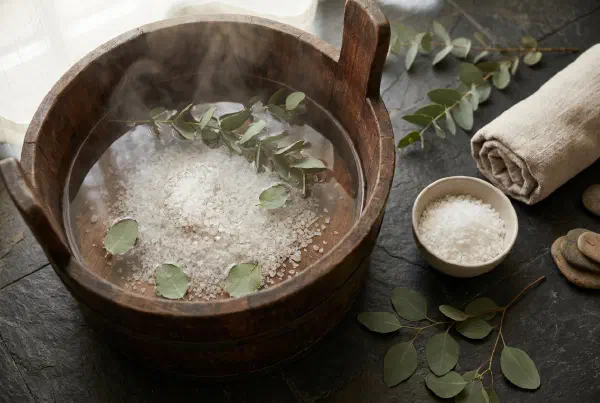
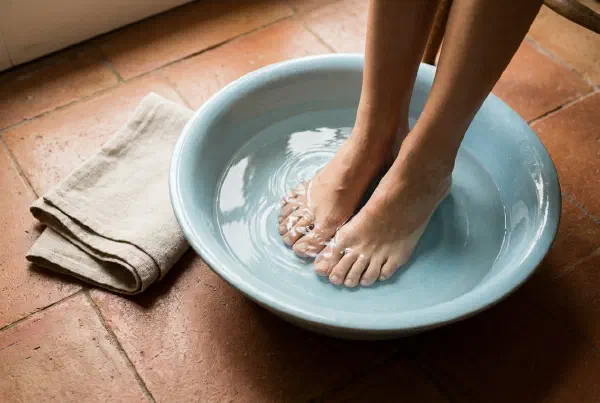
- Warm foot bath: Bathe the foot two to three times a day for about 10 to 15 minutes in warm water. This softens the skin and eases the pain. A mild additive such as a little curd soap is enough.
- Gently lift the nail edge: After the bath the skin is soft. Carefully slide a tiny piece of clean cotton wool or a small strip of gauze under the ingrown corner to keep it away from the tissue. Never with force.
- Keep it clean: Dab the area dry and keep it clean. A clean, breathable bandage protects the irritated spot.
- Create air and space: Wear open or roomy shoes and avoid anything that presses on the toe. Going barefoot at home relieves the toe further.
- Ease the pain: If needed, an over-the-counter painkiller can help. Stick to the instructions on the package.
Important: Do not cut further into the painful corner. It is tempting, but it often causes the regrowing edge to press into the tissue all the more. Pointed instruments in the inflamed fold of skin are also not advisable.
What you had better not do
Some well-intentioned measures do more harm than good:
- Cutting nails round: This encourages ingrowing. Cut straight.
- Aggressive digging or pressing: Anyone poking around with sharp tools risks injuries and infections.
- Ignoring inflammation: A purulent, throbbing spot rarely improves on its own.
- Relying on unproven miracle cures: Stick to simple, proven measures and have stubborn cases checked by a professional.
How to prevent it properly
Once you have the acute pain under control, consistent care helps keep it from coming back. A careful pedicure is the best prevention.
Cutting nails correctly
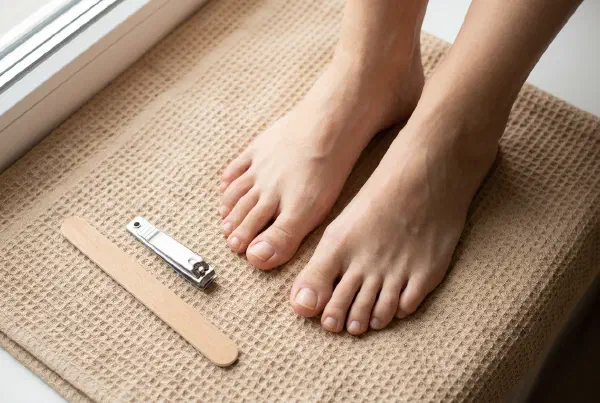
- Cut the toenails straight and not too short.
- Let the side corners stick out slightly rather than cutting them round.
- File sharp edges only gently smooth.
- It is best to cut after showering or bathing, when the nails are softer.
Shoes and socks
- Wear shoes with enough room in the toe area.
- Choose breathable materials and change sweaty socks.
- Give your feet regular breaks without tight footwear.
Care in everyday life
- Keep the skin around the nail supple, but not permanently damp.
- Check your nails regularly, especially if they tend to grow in.
- Gently massage the skin fold away from the nail now and then.
When you should see a doctor
Many mild cases can be calmed on your own. But there are clear warning signs at which you should stop experimenting and have the matter checked by a doctor:
- Pus, severe swelling, or persistent throbbing at the spot.
- Redness that spreads, or warmth and fever.
- Wild tissue overgrowing the nail edge.
- No improvement despite several days of care, or recurring complaints.
- Pre-existing conditions such as diabetes, circulatory problems, or a weakened immune system. Here even small inflammations on the foot can become serious, so the rule is: better to get it checked early.
A medical foot care service (podiatry) or your family doctor can treat the nail properly, take off the pressure, and discuss further treatments in stubborn cases. For repeated ingrowing there are ways to solve it in the long term, such as special braces or a minor procedure. Which path makes sense is best decided together with professionals.
Frequently Asked Questions (FAQ)
Can I cut out an ingrown toenail myself?
This is not advisable. Cutting around in the painful corner often makes the ingrowing worse and can lead to injuries and infections. It is better to calm the spot with warm baths and relieve the pressure, and have stubborn cases treated by a professional.
How long does it take for an ingrown nail to improve?
In mild cases you often feel relief after just a few days with consistent care. But it can take weeks for the nail edge to grow out properly again. If the improvement fails to come, you should have it checked by a doctor.
Do warm or cold foot baths work better?
Warm foot baths are the first choice. They soften the skin, ease the pain, and make it easier to gently lift the nail edge. Bathe two to three times a day for about 10 to 15 minutes and dab the foot dry well afterwards.
How do I prevent the nail from growing in again?
Cut the nails straight instead of round, do not keep them too short, and wear shoes with enough room for the toes. Regular care and an eye on the nail shape help prevent ingrowing from happening again.