Foot care with diabetes: what people with diabetes must watch out for

In this article
Note: This article contains affiliate/advertising links. As an Amazon Associate we earn from qualifying purchases. If you click such a link and buy something, we may receive a small commission – at no extra cost to you.
With diabetes, the feet need special attention. Over the years, elevated blood sugar can damage the nerves and circulation – with the result that small injuries on the foot are noticed less easily and heal more slowly. A harmless pressure point can turn into a serious wound. Good, careful foot care is therefore an important building block for preventing problems. This article gives a factual overview and is not a substitute for medical or podiatric advice – if you have any symptoms, your feet belong in expert hands.
Why foot care matters so much with diabetes
Two consequences of long-term elevated blood sugar particularly affect the feet:
- Nerve damage (neuropathy): The sense of pain, temperature and pressure declines. Anyone who no longer feels a small stone in the shoe or a blister often notices injuries only late.
- Circulatory problems: When tissue is less well supplied, wounds heal more slowly and infections spread more easily.
Together, both increase the risk of poorly healing wounds. Prevention through daily checks and gentle care is therefore crucial. Neuropathy can show up early through changed sensations – how to recognise burning feet and what really helps is covered in its own article.
In addition, elevated blood sugar can make the skin drier and change how the feet sweat. Dry, cracked skin more easily offers germs a way in. The immune system also works less reliably with persistently high values, so small inflammations can get out of control more quickly. Good blood sugar control in consultation with your treating practice is therefore the basis of all foot care – daily care supplements it, but does not replace it.
The daily foot check
A short, firm routine helps detect problems early:
- Look: Examine your feet all over – including between the toes and on the soles (use a hand mirror or a second person if needed).
- Feel: Watch for swelling, warm or cool areas, hard calluses and pressure points.
- Watch for: Redness, blisters, small cracks, discoloured nails or changed sensations.
Anyone who notices abnormalities should not wait, but have them clarified medically or by a podiatrist.
Safe care step by step
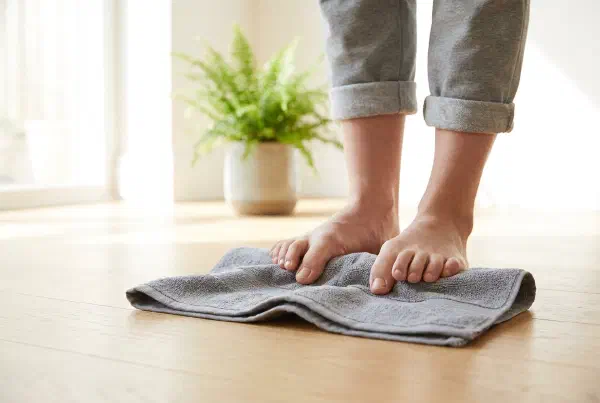
- Wash lukewarm, not hot: Check the water temperature beforehand with your elbow or a thermometer, as temperature perception may be impaired. Too long a bath softens the skin – a brief wash is enough. See Taking a foot bath correctly.
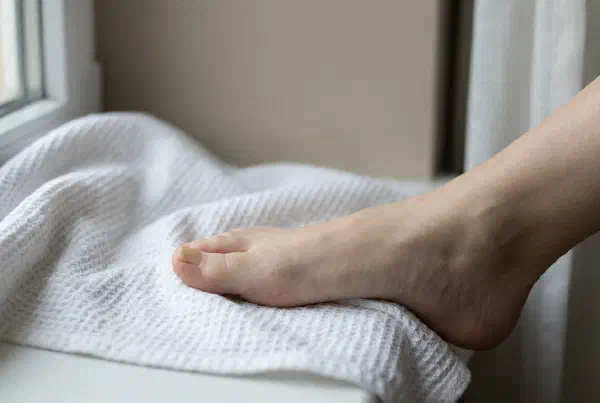
- Dry thoroughly: Especially between the toes, to prevent fungal infections. More under Preventing athlete’s foot.
- Moisturise, but not between the toes: Dry skin tends to crack. A suitable cream keeps the skin supple – how to apply it correctly is explained under Applying foot cream correctly.
- Trim nails carefully: File straight rather than cutting deep into the corners. What matters is shown in Cutting toenails correctly.
What people with diabetes should rather avoid
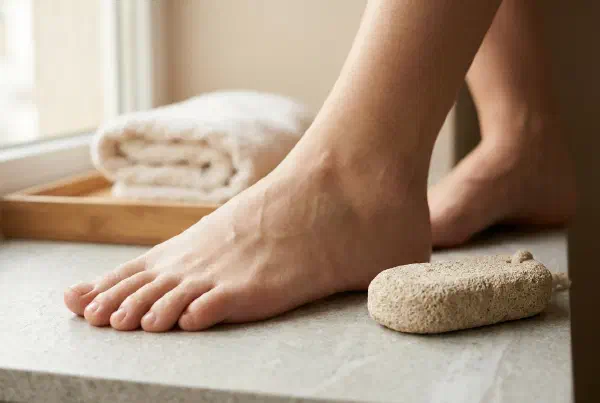
- Don’t remove calluses with a callus plane, sharp blade or caustic tinctures.
- Don’t “cut away” corns and warts yourself.
- Don’t walk barefoot, not even at home – the risk of injury is increased.
- Don’t put hot water bottles or heating pads directly on your feet: with impaired temperature perception, unnoticed burns are a risk.
- Don’t use plasters with aggressive active ingredients (such as salicylic acid corn plasters) – they can attack the skin.
The right shoes and socks
Shoes and socks have a big influence on foot health with diabetes, because even small pressure points can lead to problems:
- Well-fitting shoes: Enough room for the toes, no pressing seams, soft upper material. Best try new shoes in the afternoon, when the feet are slightly larger, and wear them only briefly at first.
- Check shoes before putting them on: Feel inside with your hand for a small stone, a fold or a protruding nail.
- Low-seam socks: Socks without cutting cuffs and without coarse seams, ideally made of breathable material. Change them daily.
- Light sock colours: Blood or wound-fluid stains, which may indicate an unnoticed injury, show up more easily.
With diagnosed at-risk feet, doctor-prescribed footwear may be sensible – discuss this with your treating practice. Foot deformities add to the risk of pressure points; what helps with a hammer toe is covered in its own guide.
Take warning signs seriously
The following signs should be assessed medically promptly:
- Wounds, blisters or cracks that do not heal within a few days.
- Redness, swelling, overheating or weeping – possible signs of an infection.
- Numbness, tingling or new pain.
- Discoloured, thickened nails that may indicate nail fungus – more on this under Treating nail fungus on the foot.
- Ingrown toenails or inflamed nail edges; don’t press on them yourself, but have them assessed (see Ingrown toenail: what to do).
Rule of thumb: when in doubt, seek expert advice once too early rather than too late. With diabetes, something seemingly minor can quickly become a serious problem.
When medical rather than cosmetic foot care
With diabetes, medical foot care (podiatry) is often the right choice, because it specialises in at-risk feet and works under sterile conditions. A cosmetic treatment in a salon is intended for healthy feet without complaints. The difference is explained in Medical vs. cosmetic foot care. With diagnosed nerve or circulatory problems, doctor-prescribed podiatry may be sensible – best discussed with your treating practice.
Frequently asked questions (FAQ)
As a person with diabetes, may I cut my own toenails?
As long as there are no nerve or circulatory problems and you can see and reach your feet well, careful, straight filing is usually possible. With impaired sensation, poor vision or complaints, trimming should better be done by a podiatry practice.
How often should I check my feet?
Ideally every day, for example in the evening after washing. A fixed time helps you not forget the check. That way small changes are noticed early.
Which shoes make sense with diabetes?
Comfortable, well-fitting shoes without pressing seams, with enough room for the toes. Before putting them on, briefly feel inside with your hand for small stones or folds. If there are abnormalities on the foot, get medical advice on suitable care.
May I take a foot bath with diabetes?
A short, lukewarm foot bath is usually possible if the skin is intact – but be sure to check the temperature beforehand and don’t extend the bath too long, as softened skin becomes more sensitive. With open areas, wounds or circulatory problems, seek medical advice first.
How do I remove calluses safely with diabetes?
Avoid sharp aids such as planes or blades. Gentle moisturising keeps the skin supple; thicker calluses belong in podiatric hands. General notes are given in Removing calluses, but the precautions for diabetes take priority.
Does this article replace seeing a doctor?
No. The information is for general guidance and does not replace medical advice. If you have wounds, changed sensation or other symptoms, you should seek medical or podiatric advice.