Powder brows explained: procedure, longevity and costs
In this article
Note: This article contains affiliate/advertising links. As an Amazon Associate we earn from qualifying purchases. If you click such a link and buy something, we may receive a small commission – at no extra cost to you.
Full, defined eyebrows without daily filling in – that is the wish behind the trend of powder brows. The technique belongs to permanent make-up and uses fine colour pigments to create a soft, lightly shaded gradient reminiscent of brows gently filled in with powder. In this overview you will learn what powder brows are, what the procedure looks like, how long the result lasts, what costs to roughly expect and how the method differs from microblading.
What are powder brows?
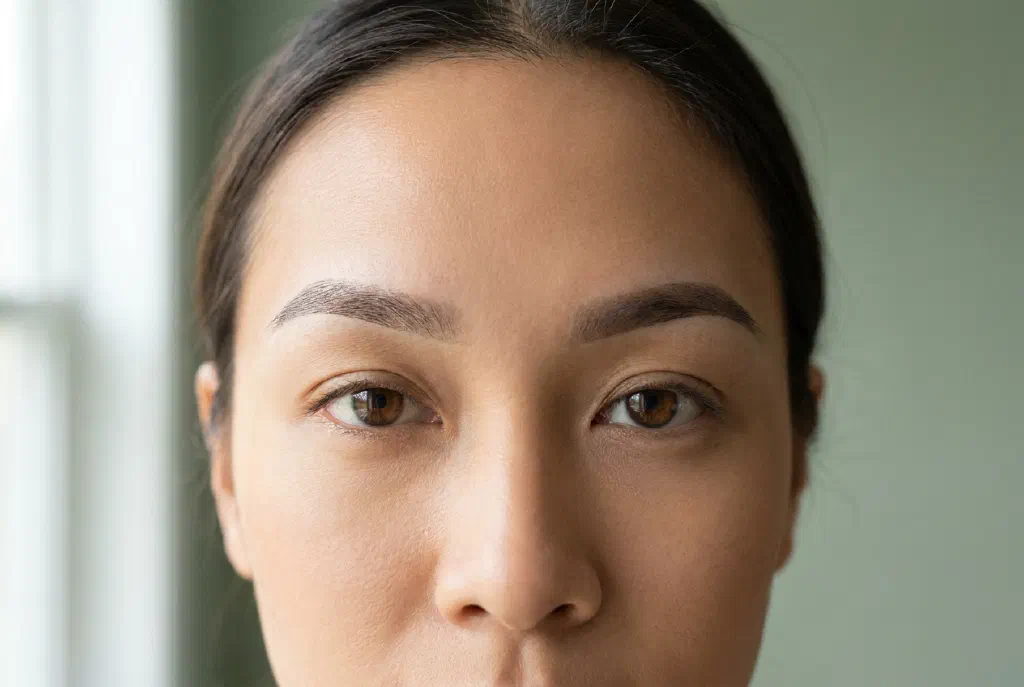
Powder brows (also called “ombré brows”) are a form of permanent make-up for the eyebrows. Instead of individual hairs as in microblading, the practitioner uses an electric device to place many tiny colour dots into the top layer of skin. These dots build up into an even, powdery gradient – usually lighter at the head of the brow and denser towards the tail.
The result looks like a subtly filled-in brow with brow powder, but stays the same all day. The look can range from very natural to strongly defined. Because the pigment is placed across the surface rather than as individual cuts, the technique is considered especially gentle and also works where skin holds fine lines less well.
How the treatment works
A reputable treatment always starts with a consultation. Shape, colour and your expectations are discussed, and possible contraindications are clarified. Plan for about two to three hours for the actual appointment – a large part of that goes into measuring and letting the numbing cream take effect.
- Pre-drawing: The brow shape is mapped out with measuring points and agreed together until it suits your face and symmetry.
- Numbing: A numbing cream is left on for a few minutes and reduces discomfort.
- Pigmenting: The powder gradient is built up layer by layer with the device, with the colour deliberately condensed under control.
- Aftercare talk: You receive care instructions for the healing phase.
After about four to six weeks there is usually a touch-up to close gaps and even out the colour depth. This first refresh is a fixed part of the treatment, because some pigment is shed during healing and the final picture only settles afterwards.
Preparing properly
To get an even result, a little preparation helps. These tips are common – but the exact instructions always come from your practitioner:
- A few days beforehand, avoid blood-thinning agents, alcohol and strongly caffeinated drinks, as far as medically reasonable.
- No plucking, waxing or tinting of the brows just before the appointment – the natural shape helps with the pre-drawing.
- Pause exfoliants, fruit acids and retinol in the brow area in good time.
- Avoid fresh tan or sunburn on the face.
Longevity and care
Depending on skin, care and pigment, powder brows usually last one to three years. Oily skin, sun and exfoliants make the colour fade faster. During healing: keep dry, do not scratch, no tanning bed and no swimming pool. In the first one to two weeks light flaking may appear, and the colour looks darker at first before clearing to its final, lighter tone. A thin wound care according to instructions and consistent sun protection keep the gradient fresh longer. A refresh makes sense after one to two years once the gradient becomes paler.
Who powder brows suit
Powder brows are especially useful for anyone who wants to save time in the morning and have a reliably defined look – for example with sparse, light or uneven brows. Oily and more mature skin often copes better with the surface powder than with fine hair lines. Those who want a very natural, barely visible effect, however, are often better served by microblading. An honest practitioner will tell you in the consultation which technique suits your skin and desired result – and also when they would rather advise against it.
Powder brows or microblading?
Both methods shape the brows long-term, but differ in look and technique:
- Powder brows: soft powdery shadow, looks like make-up, often longer-lasting and also suitable for oily or mature skin. If you are looking for a non-permanent alternative, see Eyebrow lamination: procedure and effect.
- Microblading: fine, drawn hairs for a very natural effect. How it works is explained under Microblading: the hair-stroke technique for eyebrows at a glance.
Which technique suits you depends on skin type, the desired look and the practitioner’s assessment. If you would rather shape your brows without any pigment, the overview of eyebrow lamination covers a non-permanent option. How often cosmetic treatments make sense is also put into context in How often is a cosmetic treatment worthwhile?.
Risks and important notes
Permanent make-up is a procedure that affects the skin. Possible risks include allergic reactions, inflammation or an undesired result. Therefore:
- Only with qualified, trained practitioners using sterile, single-use materials.
- During pregnancy, with skin conditions in the brow area or known allergies, clarify medically beforehand.
- Look for honest advice and examples of before-and-after results.
This text does not replace individual professional or medical advice.
Frequently asked questions (FAQ)
Do powder brows hurt?
Thanks to the numbing cream, most people find the treatment quite bearable – more of a scratching or pricking than real pain. The sensation varies from person to person.
Roughly how much do powder brows cost?
Prices vary greatly by region and studio. As a rough guide they are often in the mid to upper three-digit range, usually including the first touch-up. Only the individual studio can give binding prices.
How long does healing take?
Surface healing usually takes one to two weeks, during which light flaking may appear. The final colour result is only visible after about four to six weeks.
Who are powder brows not suitable for?
During pregnancy, with certain skin conditions, fresh injuries in the brow area or open health concerns, medical advice should be sought beforehand. A reputable practitioner clarifies possible contraindications during the consultation.
Do powder brows look finished right after the appointment?
No. At first the brows look stronger and darker than later. Only after healing and the touch-up does the soft, light powder gradient show as intended. A little patience in the first weeks is part of the process.
Can powder brows be removed again?
Since the pigment fades slowly on its own, a subtle look disappears over time. If the result should go faster, removal (for example by laser) is possible through appropriate professionals – this is more involved than the treatment itself and should be considered carefully beforehand.