Lash Lift or Extensions: Difference and Care
In this article
Note: This article contains affiliate/advertising links. As an Amazon Associate we earn from qualifying purchases. If you click such a link and buy something, we may receive a small commission – at no extra cost to you.
Beautiful, accentuated lashes make your gaze look more awake and open, without any daily mascara. Two methods are particularly popular here: the lash lift, which shapes your own lashes, and lash extensions, where artificial hairs are glued on. Both procedures lead to a completely different result, take different amounts of effort and each require their own care. This guide shows you how the methods differ and how to find the one that suits you.
What is a lash lift?
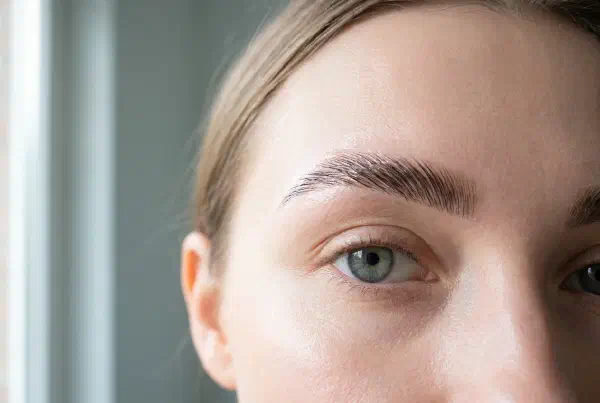
With a lash lift, your natural lashes are permanently brought into shape. The hairs are straightened upwards over a silicone pad and fixed with a gentle lotion so that they curve upwards. The lift is often combined with a lash tint, so that pale tips also become visible and the effect appears more intense.
The result is an open, awake gaze that looks especially natural because no foreign hairs come into play. A lift is a good choice if your lashes are naturally long enough but grow straight downwards or have barely any curve. As an even gentler alternative there is the lash botox lash treatment, which only nourishes and strengthens without reshaping at all.
Procedure in the studio
- Cleansing and degreasing of the eye area
- Applying the suitable silicone pad for the desired curl
- Straightening the lashes and letting the lifting lotion take effect
- Optionally a tint for more contrast
- A care serum to finish
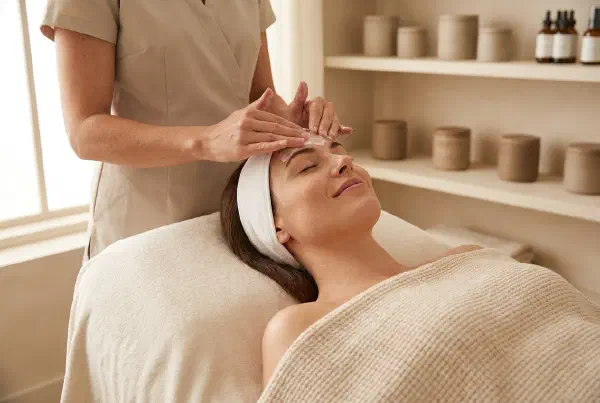
A session usually takes 45 to 60 minutes. Similar to a classic facial treatment at a beauty salon, you lie relaxed with your eyes closed.
What are lash extensions?
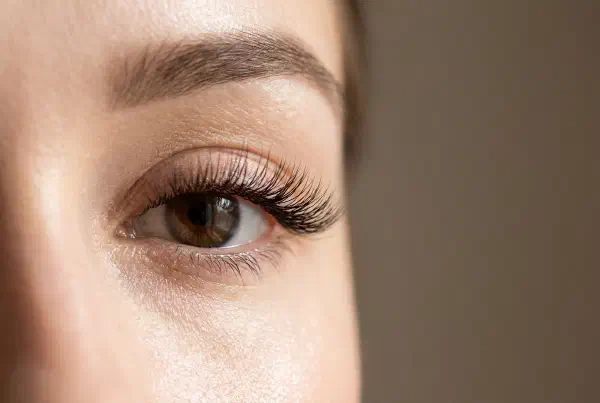
With lash extensions, a stylist glues individual artificial lashes onto your own hairs. Depending on the technique, one artificial hair is placed on one natural hair (1:1 technique) or a fine fan of several ultra-light hairs is used (volume technique). This allows length, curl and density to be controlled very precisely, from a subtle natural look to a striking glamour set.
Extensions are the right choice if you want noticeably more length and volume than your own lashes can provide. Applying them is considerably more involved, however, and takes 90 to 150 minutes depending on the set.
Lift or extensions: the direct comparison
Both methods have their strengths. Which one fits better depends on your desired look and on how much care effort you want to invest.
- Look: A lift accentuates your own lashes naturally, while extensions deliver visible length and volume.
- Effort in the studio: A lift is quicker, while extensions take more time and regular refills.
- Care at home: A lift is very low-maintenance, while extensions demand more attentiveness.
- Durability: Both last about one lash cycle, so around 6 to 8 weeks.
- Mascara: After a lift you can keep using mascara, whereas with extensions mascara is usually unnecessary and can even be harmful to the hold.
If you like things uncomplicated and just want to shape your lashes, a lift is ideal. If you are after a big statement with maximum length, extensions are the better choice.
Care after the treatment
The first 24 to 48 hours are crucial with both methods, because the lotion or glue has to fully cure.
Care after the lift
- Avoid water, steam and sauna for the first 24 hours
- Do not rub your lashes
- Regularly apply a nourishing lash serum to keep the hairs supple
- Oil-based cleansers are unproblematic and even good for care
Care with extensions
- Keep dry for the first 24 to 48 hours
- Use oil-free cleansing products, as oil dissolves the glue
- Gently brush through with a clean spoolie
- Do not rub, pluck or use a lash curler
- Book a refill every few weeks, as natural hairs fall out
With extensions, regular refills ensure the look stays even. With a lift you do not need any touch-up in between, you simply wait until the lashes have grown back.
Tolerability and safety
Both procedures are considered well tolerated when applied correctly. Even so, you should keep a few points in mind, because the eye area is sensitive.
- Have the treatment carried out only by trained professionals
- For very sensitive or allergy-prone eyes, a patch test makes sense
- During pregnancy or with eye conditions, consult beforehand
- In case of redness, burning or swelling, stop the treatment and see a doctor if in doubt
Anyone who already invests a lot in caring for the eye area, for example with treatments like microneedling, should pay particular attention to high-quality products and clean hygiene around the sensitive eyelids.
Which method suits you?
Before deciding, ask yourself three questions: How much care effort do you want to invest in everyday life? Is a natural curl enough for you, or do you want noticeably more length? And how long are your own lashes in the first place?
- Lash lift: for a natural, low-maintenance look with your own lashes
- Extensions: for maximum length, volume and a striking effect
By the way, the two methods cannot be combined, as the lashes need to be freely movable for a lift. So make a deliberate choice for one direction and feel free to give your lashes a little break between treatments.
Frequently asked questions (FAQ)
How long does a lash lift last?
A lift usually lasts six to eight weeks. The exact duration depends on your natural lash cycle, because as soon as new hairs grow back, the curl gradually disappears.
Can I still use mascara after a lift?
Yes, after the initial curing phase of about 24 hours you can apply mascara as usual. With lash extensions, on the other hand, mascara usually becomes unnecessary and can even impair the hold of the hairs.
Which is gentler on your own lashes?
A lift is considered gentler because no additional load sits on the natural hairs. With extensions, clean work and good care are important so that your own lashes are not overloaded.
What should I do about redness or irritation?
Avoid rubbing and carefully remove irritating products. If redness, burning or swelling persists, you should stop using the treatment and see a doctor if in doubt.