Brazilian Waxing: Procedure, Pain and Aftercare Explained
In this article
Note: This article contains affiliate/advertising links. As an Amazon Associate we earn from qualifying purchases. If you click such a link and buy something, we may receive a small commission – at no extra cost to you.
Brazilian waxing is one of the most thorough methods for removing hair in the intimate area. The area is freed almost completely of hair using warm or cold wax – a narrow strip or a small triangle can be left in place if desired. Because the result lasts several weeks and the skin feels smoother than after shaving, many people choose this option. If you’d first like to compare the methods for this zone in general, the overview combining intimate shaving and intimate waxing gently is worth a read. In this guide you’ll learn what the procedure actually looks like, how to prepare optimally, how much it really hurts, and what matters when it comes to aftercare.
What exactly happens during Brazilian waxing
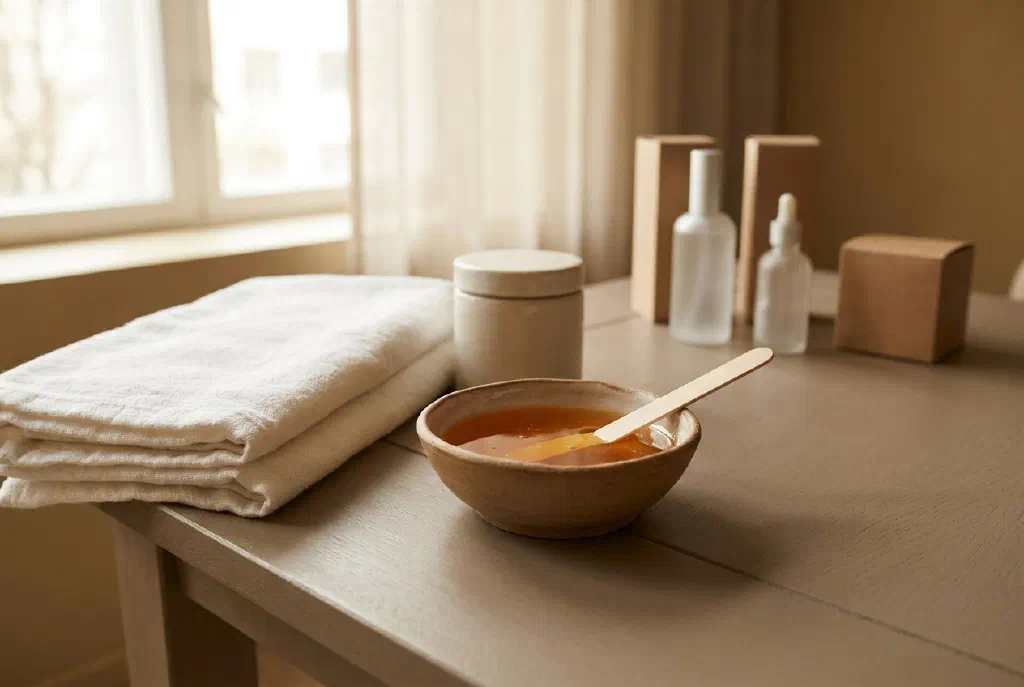
During Brazilian waxing the hair is pulled out of the skin together with the root. Unlike shaving, which only trims at the skin’s surface, it therefore takes longer for visible stubble to return. Usually warm wax (hot wax) is used, applied in a thin layer that hardens without a fabric strip. It encloses each individual hair and can then be peeled off in one go. This option is considered gentler on the skin because it pulls less on the skin itself and targets only the hairs.
A typical treatment proceeds in several steps:
- Cleansing and preparation of the skin, often with a disinfecting agent
- applying a thin layer of powder so the wax doesn’t stick to the skin
- applying the wax in portions in the direction of hair growth
- pulling off against the direction of growth, with the skin held taut each time
- removing any remaining hairs with tweezers
- finally soothing the skin with a cooling lotion or gel
An experienced beautician works quickly and in manageable sections so that the treatment stays as comfortable as possible. Overall, a Brazilian wax usually takes between 20 and 40 minutes.
How to prepare properly
The right preparation has a strong influence on how well the wax grips and how comfortable the treatment is.
- Hair length: The hair should be about five millimetres long – long enough for the wax to grip it, but not so long that it pulls unnecessarily. If it’s too long, you can trim it slightly beforehand.
- No fresh shaving: Avoid shaving in the days beforehand, otherwise the hair will be too short.
- Gentle exfoliation: One or two days beforehand, a mild exfoliation helps to loosen ingrown hairs. On the day of the treatment itself you should skip it, so as not to irritate the skin further.
- Clean, dry skin: Don’t apply cream to the area on the day of the treatment, because oils and lotions worsen the wax’s adhesion.
- Timing in your cycle: Many people find the pain stronger shortly before or during menstruation. If you’re sensitive, it’s better to schedule the appointment around the middle of your cycle.
If you have very sensitive skin, you can apply an over-the-counter pain-relieving cream from the pharmacy about 30 to 60 minutes beforehand. If you’re unsure, it’s best to seek professional or medical advice.
How much does it really hurt?
To be honest: Brazilian waxing isn’t pain-free. The moment of pulling feels like a short, sharp tug that quickly subsides again. Particularly sensitive are the areas around the labia and near the bikini line. The good news: the first time is usually the most intense. With each treatment the hairs become finer, grow back less densely, and the pain noticeably eases.
These factors make the treatment more bearable:
- breathe deeply and calmly instead of tensing your muscles
- don’t schedule the treatment right after getting up, when the skin reacts more sensitively
- avoid caffeine shortly beforehand, as it can increase pain sensitivity
- choose an experienced professional who works quickly and skilfully
If you’d first like to ease into smaller areas, you can start with less sensitive zones. Other parts of the face and body can also be treated gently – for example with eyebrow threading or if you want to remove a ladies’ moustache.
Aftercare: soothing the skin and preventing small bumps
Right after waxing the skin is irritated, often reddened and slightly warm. With the right care, however, it calms down quickly and you prevent minor inflammation.
In the first 24 hours, the rule is:
- cool the area and soothe it with a mild, fragrance-free lotion
- avoid sauna, tanning beds, hot baths and intense exercise
- avoid tight clothing – airy cotton rubs less
- don’t touch the area with your fingers, to keep germs away
After two to three days you can start again with gentle exfoliation. This is the most important step against ingrown hairs, because it loosens dead skin flakes and clears the way for the regrowing hairs to reach the surface. A light, moisturising care additionally keeps the skin supple.
Small red dots shortly after the treatment are normal and usually disappear within a day. However, if redness, swelling or pain persists longer, or if pustules form, you should have it checked by a doctor if in doubt.
Frequently Asked Questions (FAQ)
How long does the result last after Brazilian waxing? As a rule, the skin stays smooth for about three to six weeks. How quickly the hair grows back depends on your individual hair cycle. With regular appointments, the regrowing hairs often become finer and less dense.
Can I do Brazilian waxing myself at home? In principle yes, it’s possible with home kits. In the intimate area, however, the skin is sensitive and hard to reach, so an experienced professional usually works more thoroughly and gently. For getting started, a studio is the safer choice.
Is Brazilian waxing allowed during pregnancy? Many people get waxed during pregnancy too, but the skin can react more sensitively then. Talk to your doctor beforehand and inform the beautician so that she proceeds especially carefully.
What helps against ingrown hairs? Regular, gentle exfoliation from the second day after the treatment is the most effective preventive measure. It keeps the pores clear and helps the hairs grow back straight. Don’t squeeze out ingrown hairs yourself, to avoid inflammation.