How to Prevent Ingrown Hairs: Proper Prevention Made Simple

In this article
Note: This article contains affiliate/advertising links. As an Amazon Associate we earn from qualifying purchases. If you click such a link and buy something, we may receive a small commission – at no extra cost to you.
No sooner is the skin smooth than tiny red spots, little bumps, or painful nodules appear: ingrown hairs are among the most common side effects of any hair removal. They occur when a hair doesn’t grow straight out of the skin’s surface but instead burrows sideways or back beneath the skin. The good news: with the right routine of preparation, gentle technique, and consistent care, they can be avoided in the vast majority of cases. In this guide, you’ll learn how ingrown hairs develop and how to reliably get them under control.
How Ingrown Hairs Develop
An ingrown hair – technically pseudofolliculitis – forms when the tip of a hair doesn’t break through the top layer of skin but instead grows sideways into the skin or curls up after being cut. The body reacts to the hair as if it were a foreign object: a small inflammation develops, appearing as a red nodule, sometimes with a visible hair underneath.
Several factors contribute to the problem:
- Skin keratinization: Dead skin flakes block the pore and obstruct the way out.
- Hair structure: Curly or thick hair curls up more easily and meets the skin surface at a steeper angle.
- Shaving technique: Cutting too deep leaves a pointed hair tip below skin level.
- Friction: Tight clothing or underwear pushes hairs back into the skin.
The zones most often affected are those with coarse hair and a lot of friction – namely the bikini area, the underarms, the legs, and, in men, the beard area.
The Right Preparation Before Hair Removal
Prevention begins before you even reach for the blade or wax. A warm shower or bath opens the pores and softens the hair, so it can be removed more easily and completely. A gentle exfoliation one to two days before hair removal sloughs off dead skin flakes and frees fine, trapped hairs.
It’s important not to exfoliate right before waxing, as this leaves the skin too irritated. Instead, opt for:
- Mechanical exfoliants with fine grains or a soft exfoliating glove.
- Chemical exfoliants with mild acids (for example, fruit acid or salicylic acid) that gently loosen horny flakes.
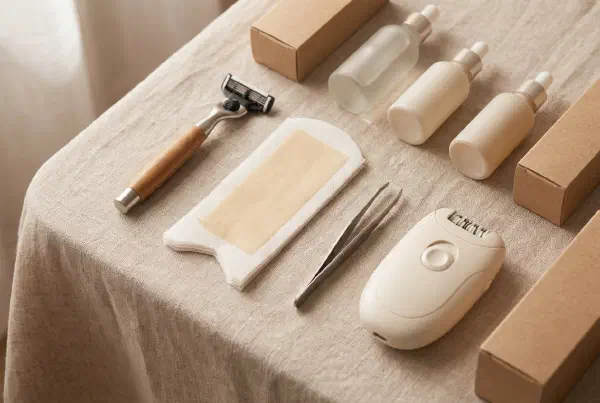
If you’re still unsure which type of hair removal even suits your skin and hair type, the overview of the hair removal methods compared will help you decide.
The Right Technique During Hair Removal
The way you remove hair plays a decisive role in whether hairs grow in.
When Shaving
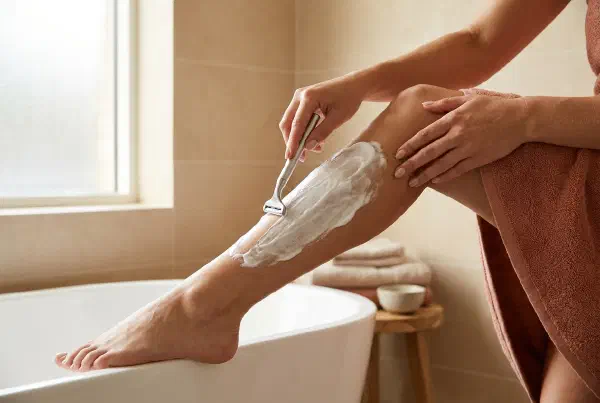
- Always use a sharp, clean blade – dull blades tug at the hair and irritate the skin.
- Shave with the direction of growth, not against it. This protects the hair tip, even if the result looks a little less smooth.
- Use plenty of shaving gel or foam and don’t apply heavy pressure.
- Rinse the blade after every stroke.
When Waxing and Epilating
- Pull the wax against the direction of growth and keep the skin taut as you do.
- Make sure the hairs are long enough so they’re removed completely with the root and don’t break off.
Hairs broken off below the skin’s surface are one of the main causes of ingrown hairs – which is why clean technique is so important. A particularly gentle alternative, which is removed in the direction of growth, is sugaring with sugar paste step by step, which causes hairs to break off less often.
Care After Hair Removal
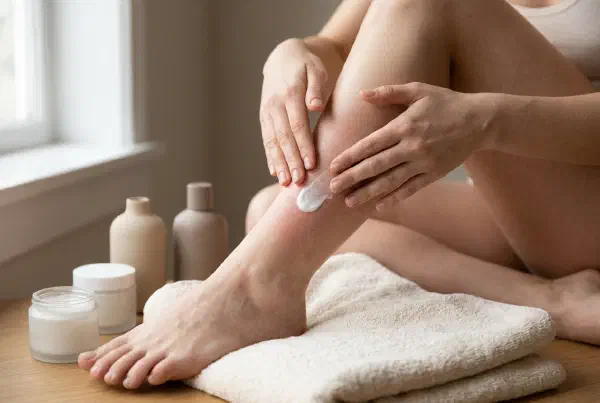
After hair removal, the skin is sensitive and needs moisture. Well-hydrated skin stays supple and elastic, so regrowing hairs reach the surface more easily. Reach for a soothing, fragrance-free lotion and avoid irritating products with alcohol or strong scent right after waxing.
So that redness and minor irritations don’t arise in the first place, it’s worth looking at how to care for your skin after hair removal. A few basic rules:
- 24 to 48 hours off from exercise, sauna, and tight clothing, so the pores can calm down.
- Wear loose, breathable clothing in high-risk zones like the bikini area.
- Starting about two days after hair removal, resume regular gentle exfoliation (two to three times a week) to keep the pores clear.
- For dry skin, moisturize daily.
What to Do If a Hair Is Already Ingrown?
If it has already happened, one thing matters above all: don’t scratch it open and don’t poke at it with your fingers. This can worsen the inflammation and cause scars. Instead, place a warm, damp compress on the spot to soften the skin, and exfoliate very gently. Often the hair then works its way out on its own.
If the hair lies visibly just below the surface, you can carefully remove it with a disinfected pair of tweezers – but only if it’s reachable without digging. If a spot is severely red, oozing pus, or painful, doesn’t improve, or recurs frequently, you should have it checked by a doctor or dermatologist to be safe.
Frequently Asked Questions (FAQ)
How long does it take for an ingrown hair to disappear on its own?
In many cases, an ingrown hair resolves on its own within one to two weeks, once the skin above it becomes softer through exfoliation and moisture. If the inflammation persists longer or gets worse, have the spot looked at by a professional.
Which hair removal method causes ingrown hairs least often?
Methods that remove the hair at the root or reduce it permanently tend to lead to fewer ingrown hairs than shaving, because the regrowing hair is softer and thinner. The decisive factors, however, always remain the right technique and the subsequent care.
Does exfoliation really help against ingrown hairs?
Yes, regular gentle exfoliation is the most effective prevention. It removes the horny flakes that block the pore and gives regrowing hairs a clear path. But don’t overdo it – exfoliating too often or too vigorously additionally irritates the skin.
Are ingrown hairs dangerous?
In most cases they’re harmless and heal without consequences. If they become severely inflamed, form pus, or keep appearing in the same spot, a visit to a dermatology practice is advisable to avoid complications and scars.