Bakuchiol: the natural retinol alternative
In this article
Note: This article contains affiliate/advertising links. As an Amazon Associate we earn from qualifying purchases. If you click such a link and buy something, we may receive a small commission – at no extra cost to you.
If you want the benefits of retinol but worry about its irritation, sooner or later you will come across bakuchiol. This plant-based active is considered the gentle, natural alternative and has earned a firm place in many anti-aging products over the past few years. In this guide you will learn everything about how bakuchiol works: what exactly it is, how it acts on the skin, who it suits and how it compares directly to retinol.
What is bakuchiol?
Bakuchiol is a plant-based active extracted from the seeds and leaves of the babchi plant (Psoralea corylifolia). This plant has long been used in traditional Indian and Chinese medicine. For skincare, a purified, standardized extract is used today, typically present in serums and creams at a concentration of around 0.5 to 2%.
The key thing to understand: bakuchiol is chemically not a retinoid and not a vitamin A derivative. So it does not resemble retinol in structure, but in its effect. Studies suggest that it addresses similar signaling pathways in the skin and can therefore achieve comparable results – but through a different, gentler mechanism. That is exactly what makes it an attractive option for the many people who have shied away from classic retinol.
How bakuchiol works on the skin
Bakuchiol works on several fronts that are typical of skin aging. Even though the research is younger than for retinol, early studies show promising results.
- Smoothing fine lines: Bakuchiol can soften the appearance of fine lines and small wrinkles for a smoother complexion.
- Boosting collagen: It supports the skin in producing more collagen – the structural protein that keeps skin firm and elastic and declines over the years.
- Refining the complexion: Cell renewal is supported, so the complexion can look more even and pores appear finer.
- Acting as an antioxidant: Bakuchiol has antioxidant properties and can protect the skin from free radicals that contribute to premature aging.
The decisive difference compared to retinol: these effects usually appear without the typical irritation. While retinol often causes redness, tightness and flaking during the adjustment phase, most people tolerate bakuchiol well from the very start.
Who bakuchiol suits
Bakuchiol is by no means just a watered-down substitute – for certain skin types and situations it is even the better choice.
- Sensitive skin: If you react to retinol with redness and stinging, you will usually get on far better with bakuchiol.
- Retinol beginners: As a gentle introduction to anti-aging, bakuchiol is ideal because the unpleasant retinization phase is largely absent.
- Dry or rosacea-prone skin: Here the low irritation potential can make all the difference.
- Daytime care wanted: Since bakuchiol is not light-sensitive, it can also be used in the morning.
If, on the other hand, you already tolerate high-strength retinol well and get visible results, you do not have to switch. Bakuchiol is an alternative and complement, not a must. It is worth looking at the bigger picture anyway – for an overview of professional options, see the article on anti-aging treatments. If you are interested in device-based body methods beyond pure skincare, you will find a level-headed overview in the article on fat reduction through cold.
How to use bakuchiol correctly
Application is uncomplicated – and that is one of its greatest advantages. A thoughtful routine still gets more out of the active.
- Cleanse: Gently cleanse the face and pat dry.
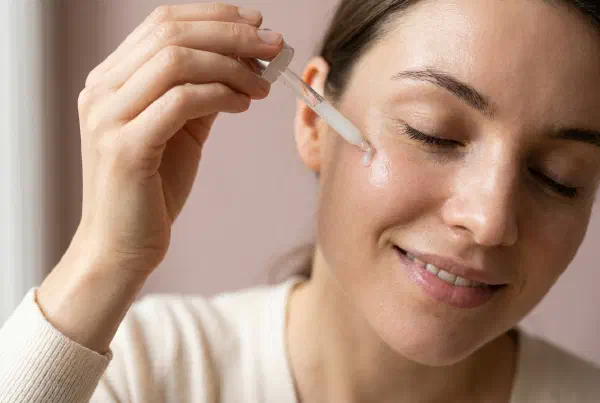
- Bakuchiol: Apply a few drops of serum or a pea-sized amount of cream evenly. A small amount is enough.
- Moisturize: Finish with a moisturizer to seal the skin.
Unlike retinol, you can use bakuchiol morning and evening. Even so, sun protection belongs in every daytime routine – not because bakuchiol makes the skin light-sensitive, but because UV protection is the foundation of any anti-aging care. Visible results take patience and usually appear after several weeks of consistent use.
Easy to combine
Bakuchiol is a real team player. It can be combined effortlessly with hydrating and soothing actives such as hyaluronic acid, niacinamide or peptides. Even pairing it with vitamin C or exfoliating acids is usually well tolerated – something that can be tricky with retinol. How to sensibly coordinate different actives is explained in the guide on combining actives.
Bakuchiol or retinol? The comparison
Both actives pursue a similar goal but take different routes. The choice depends on your skin and your priorities.
- Tolerance: Bakuchiol is significantly gentler and triggers redness or flaking less often. Retinol is more potent but more irritating.
- Daylight: Retinol is light-sensitive and belongs in the evening routine. Bakuchiol is stable and can also be used during the day.
- Research: Retinol has been studied extensively for decades. Bakuchiol is newer, but the evidence is consistently encouraging.
- Strength: In head-to-head studies, bakuchiol achieved effects similar to retinol – often with fewer side effects.
A common misconception: “natural” does not automatically mean “always tolerable.” Even plant-based actives can irritate in rare cases. If you value natural cosmetic formulations, the comparison between natural and conventional skincare will help you categorize them. And if you want to understand the original better, you will find everything on the topic in the guide on using retinol correctly.
When caution is needed
Bakuchiol is considered gentle and is often recommended as a retinol alternative during pregnancy. Even so, the data on this is limited. During pregnancy and breastfeeding, as well as with existing skin conditions, you should therefore have its use checked by a doctor or dermatologist beforehand. Also do a small patch test on the inner arm with new products before applying them over a large area of the face.
Frequently asked questions (FAQ)
Is bakuchiol really as effective as retinol? In head-to-head studies, bakuchiol achieved results similar to retinol for fine lines and skin texture – often with fewer side effects. The research is younger than for retinol, but the results so far are encouraging. For many people it is a fully fledged alternative.
Can I use bakuchiol and retinol together? Yes, that is possible and is sometimes even done deliberately. Bakuchiol can improve the tolerability of retinol and support its effect. Some products already combine both. If you use them separately, watch your skin and increase slowly.
Is bakuchiol safe during pregnancy? Bakuchiol is often mentioned as a plant-based retinol alternative for pregnancy because it is not a vitamin A derivative. As robust studies on this are lacking, however, the rule is: check with a doctor before use during pregnancy and breastfeeding and, when in doubt, rely on pure moisturizing care.
How quickly do you see results with bakuchiol? As with most anti-aging actives, it takes patience. First improvements in the complexion usually appear after about four to eight weeks of regular use, with clearer effects often only after several months. Consistency matters more than a high dose.