Infrared Treatment: Harnessing Heat Deep Within the Skin
In this article
Note: This article contains affiliate/advertising links. As an Amazon Associate we earn from qualifying purchases. If you click such a link and buy something, we may receive a small commission – at no extra cost to you.
When you crave pure relaxation after a long day while also doing something good for your skin, an infrared treatment is worth a closer look. Unlike conventional heat sources, which primarily warm the surrounding air, infrared heat gently penetrates into deeper layers of the skin, where it becomes noticeable as a soothing deep warmth. In cosmetics, this principle is used to stimulate circulation, loosen muscles, and prepare the skin for care products. In this guide, you’ll learn how infrared works, when it makes sense, and what to keep in mind.
What is an infrared treatment?
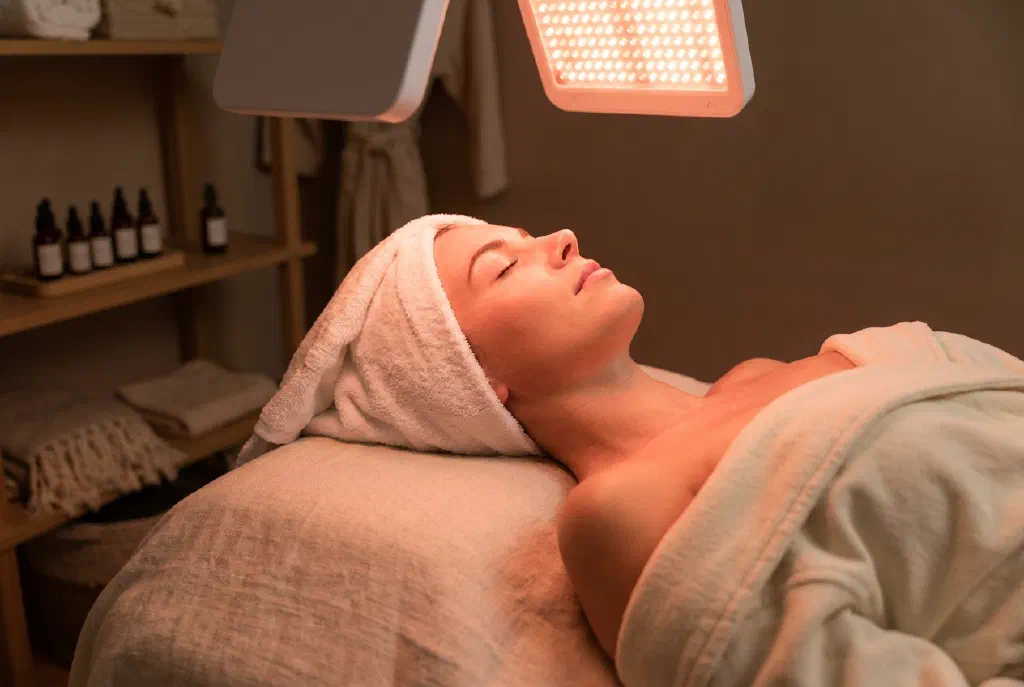
An infrared treatment uses infrared radiation – a part of the light spectrum that we can’t see but feel as warmth on the skin. You know the feeling from the sun, whose warmth also consists largely of infrared components. In cosmetic studios, special infrared lamps, heat emitters, or infrared cabins are used for this purpose.
A rough distinction is made by wavelength between shortwave (infrared A), mediumwave (infrared B), and longwave infrared (infrared C). The shorter the wavelength, the deeper the heat penetrates into the tissue. In cosmetics, moderate, well-tolerated emitters are usually used, creating a pleasant, even sensation of warmth without overheating the skin’s surface.
How does infrared heat affect the skin?
The central effect is deep warmth. While a warm blanket only reaches the skin’s surface, infrared radiation is converted into heat directly within the tissue. This has several pleasant consequences:
- Better circulation: Heat widens the fine blood vessels. Microcirculation increases, allowing the skin and tissue to be supplied with oxygen and nutrients more effectively.
- Loosened muscles: Tension often eases when the warmth reaches deeper-lying muscle areas.
- Pleasant relaxation: The even warmth has a calming effect on the nervous system and helps you wind down.
- Opened pores: The warmth slightly widens the pores, which can support subsequent cleansing or care.
Important to know: infrared is not the same as UV radiation. It doesn’t tan and doesn’t cause sunburn, because it lacks the high-energy UV component. It’s solely about the warming effect.
Infrared in cosmetic use
In practice, infrared is rarely used on its own, but mostly as a preparatory or accompanying step within a larger treatment. Warmed, well-circulated skin is more receptive, which can support the effect of masks, serums, or wraps.
Preparing the skin
Before nourishing active ingredients are applied, a short infrared phase ensures the skin is warm and relaxed. This makes it easier to apply masks more pleasantly, for example, and the entire treatment experience feels more soothing. As part of a comprehensive body treatment at the cosmetic studio, infrared heat is often a fixed component of the procedure.
Combination with peelings and wraps
Infrared heat harmonizes well with nourishing wraps and peelings. After a body peeling, the warm application feels especially pleasant, because the freshly smoothed skin absorbs the warmth comfortably. Relaxing wraps with nourishing substances are also perceived as more intense thanks to the additional warmth. Infrared pairs particularly well with a warming mud treatment using fango and healing clay.
Pure relaxation
Many people use infrared above all to switch off. The calm, even warmth – for example in an infrared cabin – invites you to clear your head and reduce stress. This feel-good aspect is a key reason why infrared is so popular in wellness and cosmetic settings.
What you should keep in mind
To keep an infrared treatment pleasant, there are a few simple basic rules:
- Distance and duration: Stick to the guidelines of your studio or the device’s instructions. Too long or too close isn’t better.
- Protect your eyes: During facial applications, the eyes should be covered or kept closed.
- Drink enough: Heat encourages sweating. Drink plenty of water before and after.
- Listen to your body: The warmth should be pleasant, never uncomfortably hot. If you feel dizzy or unwell, end the application.
After the treatment, your skin benefits from a quiet phase. A light, moisturizing care product rounds off the application.
When infrared is not advisable
Infrared is a feel-good application, not a remedy. There are situations in which heat is not suitable – for instance with acute inflammation, fresh injuries, fever, certain skin conditions, during pregnancy, or with cardiovascular problems. If you have pre-existing health conditions or are unsure, when in doubt, clarify the application in advance with a doctor or specialist. That way you can be sure the warmth is truly good for you.
Conclusion
An infrared treatment is a gentle, soothing method of bringing warmth deep into the skin. It promotes circulation, relaxes muscles and mind, and prepares the skin ideally for care. As part of a cosmetic or wellness treatment, it can noticeably enhance well-being – provided you use it in moderation and take your personal circumstances into account.
Frequently Asked Questions (FAQ)
Is an infrared treatment harmful to the skin? With moderate, correct use, infrared is considered well tolerated. Since no UV radiation is involved, there’s no risk of sunburn or tanning. It’s important to maintain the right duration and distance and not to overheat the skin.
How often can I use infrared? That depends on the intensity and your personal perception. Many enjoy infrared once or twice a week for relaxation. Stick to your studio’s recommendations and listen to your body.
What is the difference between infrared and a normal sauna? In a classic sauna, the air is strongly heated, transferring the warmth from the outside. Infrared warms the tissue directly at significantly lower air temperatures, which is why many perceive it as milder and gentler on the circulation.
Does infrared help with blemished skin? The warmth can stimulate circulation and open pores, which can support cleansing. However, with acute inflammation or skin problems, you should be cautious and, when in doubt, have the application clarified by a specialist.