Body Treatment at the Beauty Salon: Process and Options
In this article
Note: This article contains affiliate/advertising links. As an Amazon Associate we earn from qualifying purchases. If you click such a link and buy something, we may receive a small commission – at no extra cost to you.
A body treatment at the beauty salon is far more than a short break from everyday life. It combines targeted skincare with relaxation and, depending on your needs, can cleanse, firm, hydrate or noticeably smooth the skin. If you are looking into this topic for the first time, you are probably wondering what to expect, how long a treatment lasts and which variants actually make sense. In this guide, you will get a clear overview of the most important methods and the typical process.
What does a professional body treatment involve?
Unlike quick care at home, a body treatment at the salon follows a well-thought-out concept. A trained beautician works with professional products and sometimes with devices that are not available for home use. The focus is always on your individual skin condition and your personal goal.
Most treatments are made up of several coordinated steps:
- Cleansing: The skin is freed of sweat, residue and leftover care products.
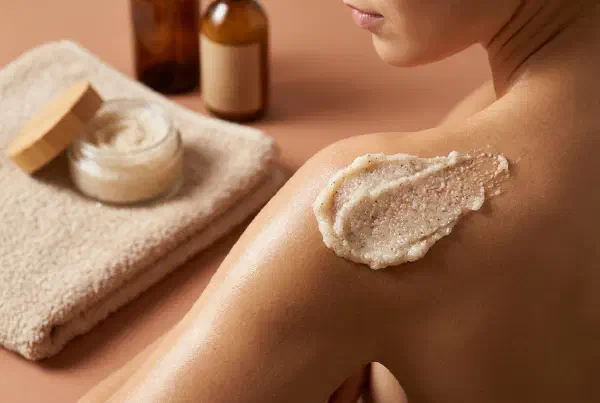
- Exfoliation: Dead skin cells are loosened so that active ingredients are absorbed better.
- Active-ingredient care: Serums, masks, wraps or creams are tailored specifically to your needs.
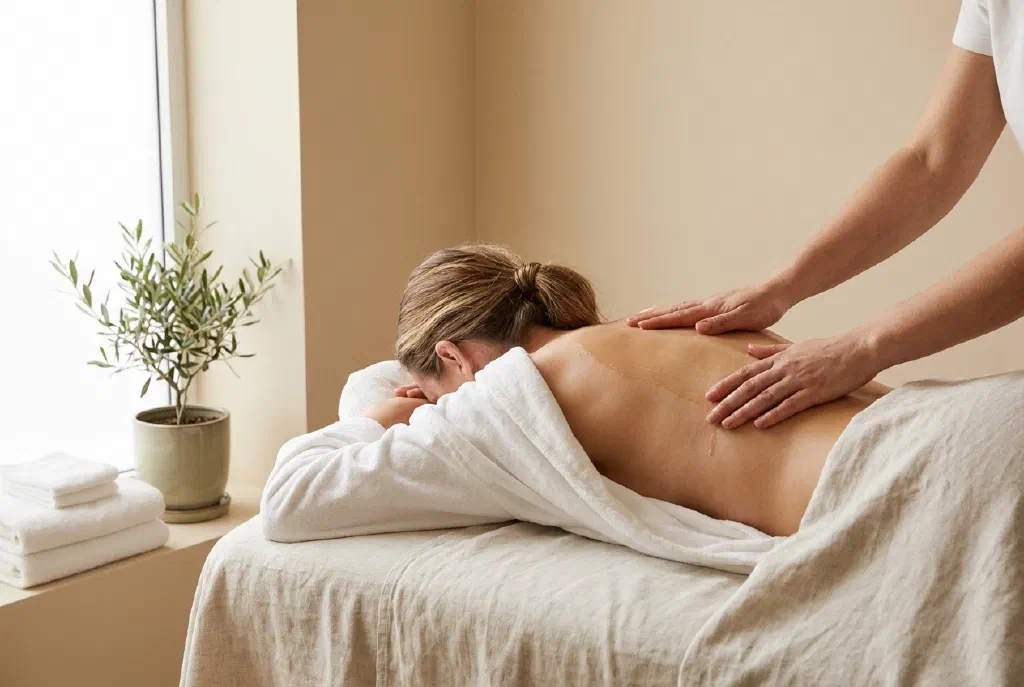
- Massage: It stimulates circulation, supports lymph flow and promotes relaxation.
- Final care: A nourishing lotion or oil protects the skin after the treatment.
The exfoliation in particular is a central building block. If you want to maintain the effect between two salon appointments, our article on how to use a body scrub correctly: smooth skin from head to toe will help you.
The typical process of a treatment
Even though the contents differ depending on the programme, the framework usually follows a similar pattern. For a complete body treatment, plan for 60 to 90 minutes as a rule.
1. Consultation and skin analysis
At the beginning, the beautician has a conversation with you. This is about your wishes, your skin type, possible sensitivities and pre-existing conditions. A careful skin analysis ensures that the chosen products and methods really suit you.
2. Preparing the skin
The skin is then cleansed and prepared for the following care steps with an exfoliation. This preparation ensures that active ingredients penetrate more deeply and work more evenly.
3. Main treatment
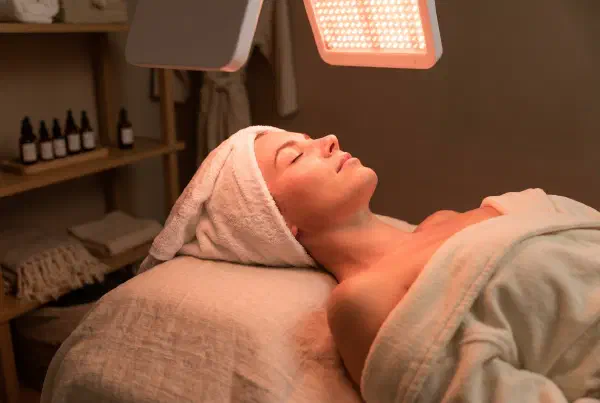
Now comes the core of the programme. This can be a nourishing wrap, a firming mask, a massage with special oils or a device-based application. Often the skin is prepared for care beforehand with an infrared treatment offering soothing deep warmth. During this phase you relax while the active ingredients do their job.
4. Finishing and care advice
Finally, the skin is treated with suitable care. You will also receive recommendations for care at home and, if applicable, advice on how often it makes sense to repeat the treatment.
What options are there?
The range of body treatments is wide, because methods can be specifically geared towards different needs. Which variant suits you depends on your skin condition and your goal.
- Moisturising and care treatments: Ideal for dry, tight skin. Rich masks and wraps provide intense hydration.
- Detox and cleansing programmes: Wraps with algae, clay or plant extracts are intended to clarify the skin and refine how it feels.
- Firming treatments: Massages, exfoliations and metabolism-stimulating products aim for a smoother, firmer skin appearance.
- Anti-cellulite programmes: Often combined with lymphatic drainage techniques to support circulation and the removal of fluid.
- Device-based procedures: Devices can use massage, vacuum or heat to complement the effect of classic methods.
If you are specifically concerned with reducing fat deposits, it is worth taking a look at device-supported methods. How one of them works is explained in our article on cryolipolysis: fat reduction through cold explained.
Who is a body treatment suitable for?
In principle, almost every skin type benefits from a professional body treatment, provided the method is chosen appropriately. It is particularly useful if you want to care for dry areas of skin, refine your skin appearance or consciously give yourself time to relax.
However, there are situations in which caution is advisable. In the case of acute skin diseases, open wounds, fresh sunburn, during pregnancy or with chronic illnesses, you should have a treatment medically or professionally cleared beforehand. A reputable beautician will ask you about possible contraindications during the consultation anyway.
How to prepare optimally
To get the most out of your appointment, a few simple preparations help:
- Arrive relaxed and without time pressure so that you can really enjoy the treatment.
- Avoid intensive sunbathing or aggressive home exfoliation immediately beforehand.
- Inform the beautician openly about allergies, medications and sensitive areas of skin.
- Drink plenty of water after the treatment, especially after circulation-boosting applications.
With the right care at home, the result lasts longer. Regular appointments at sensible intervals also support a consistently well-groomed skin appearance.
Frequently Asked Questions (FAQ)
How long does a body treatment at the beauty salon take?
A complete body treatment usually takes between 60 and 90 minutes, depending on the programme. Shorter partial treatments, for example for the back or legs, are often possible in 30 to 45 minutes.
How often should I have a body treatment done?
That depends on your goal. For general care and relaxation, an appointment every four to six weeks is often enough. For targeted programmes, the beautician usually recommends a course over several sessions.
Is a body treatment also suitable for sensitive skin?
Yes, provided the products and methods are tailored to your skin type. Be sure to mention any sensitivities during the consultation so that mild active ingredients can be chosen. When in doubt, you should have the approach professionally cleared.
What is the difference from care at home?
At the salon, professional products, a thorough skin analysis and sometimes device-based procedures are used. Home care complements the result but does not fully replace the intensive salon treatment.