Zinc for pimples: how it works internally and externally
In this article
Note: This article contains affiliate/advertising links. As an Amazon Associate we earn from qualifying purchases. If you click such a link and buy something, we may receive a small commission – at no extra cost to you.
Zinc keeps coming up in conversations about blemished skin, sometimes as a tablet from the pharmacy, sometimes as zinc ointment or as an ingredient in a serum. The trace element really does play a role for the skin, but it is no miracle cure. In this guide you will learn what zinc does in the body, how it is used internally and externally against pimples, who it makes sense for and what to keep in mind when it comes to dosage.
What is zinc and what role does it play for the skin?
Zinc is an essential trace element that the body cannot produce on its own. You take it in through food, for example through meat, cheese, oats, nuts, legumes and pumpkin seeds. In the body, zinc is involved in countless processes: it is needed for cell division, supports the immune system and plays a part in wound healing.
These very functions also make zinc interesting for the skin. The skin renews itself constantly, and zinc is involved in that process. It also has anti-inflammatory properties and can influence sebum production. A balanced zinc level is therefore one building block of healthy-looking skin, even if it alone does not guarantee a clear complexion.
How zinc can work against pimples
Pimples and blemishes develop when pores become clogged with sebum and dead skin cells and bacteria multiply, leading to inflammation. Zinc acts on several of these points, although not as strongly as a medical active ingredient.
- Anti-inflammatory effect: Zinc can ease inflammatory processes, so redness and inflamed pimples may turn out less pronounced.
- Sebum regulation: There are indications that zinc influences sebum production, which can feel pleasant especially with oily skin.
- Wound healing: Through its role in cell renewal, zinc can support the healing of small areas of skin.
A realistic perspective matters here: zinc works supportively and slowly. It does not make a single pimple disappear overnight, but over the course of weeks it can contribute to a calmer complexion.
Zinc internally: diet and supplements
The most obvious way to support your zinc level is through diet. A varied diet with zinc-rich foods easily covers the requirement for most people. Animal sources such as meat and cheese provide particularly well-available zinc, while plant sources such as whole grains and legumes round things off.
Zinc supplements in the form of tablets or capsules are also widespread. Caution is advised here, though: supplementing only makes sense if there is an actual deficiency or an increased need. Whether that is the case cannot be read off your complexion but is best clarified by a doctor, for example through a blood test. Do not take zinc supplements on suspicion or in high doses over the long term, because the body cannot process too much zinc well.
Zinc externally: ointment, paste and zinc PCA in skincare
Externally, you will encounter zinc in several forms that are used in different ways.
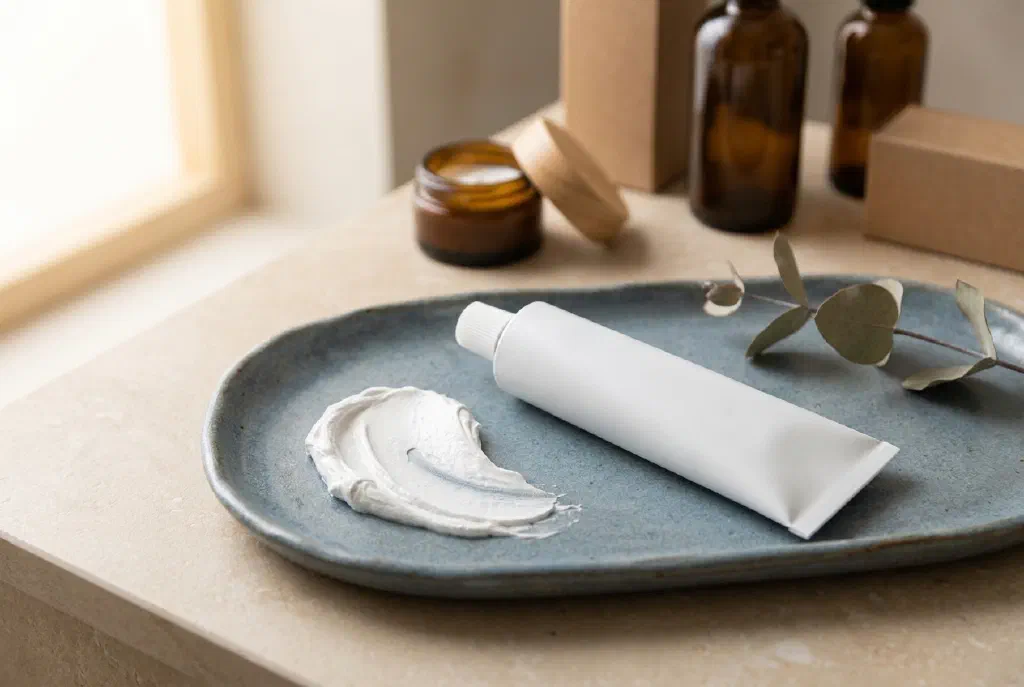
- Zinc ointment and zinc paste: These contain zinc oxide and have a drying and slightly covering effect. They are suitable as spot treatments for individual inflamed areas, for example applied overnight. They are less intended for large areas, because they dry the skin strongly and can clog pores.
- Zinc PCA in serums and creams: In modern skincare you will often find zinc PCA, a well-tolerated zinc compound. It is happily combined with other ingredients and is meant to balance sebum production without drying the skin much. On the ingredient list it appears as Zinc PCA.
- Zinc in cleansing products: Some face washes and masks also rely on zinc to mattify oily areas of the skin.
If, alongside active pimples, lingering discoloration also bothers you, our guide on removing pimple marks will help you with the next steps.
Who is zinc useful for?
Zinc can be a useful building block, but it is not equally relevant for everyone.
- Mild to moderate blemishes: Here, externally applied zinc, for example as a zinc PCA serum or as a spot treatment ointment, can be a good support.
- Oily and combination skin: The sebum-regulating effect is often perceived as pleasant.
- In case of a confirmed deficiency: If a doctor has diagnosed a zinc deficiency, targeted internal supplementation makes sense.
In cases of severe, inflammatory or scarring acne, zinc does not replace medical treatment. In such cases, a visit to a dermatology practice is the most important step.
Application and notes on dosage
For external use the rule is: apply zinc ointment as a spot treatment and sparingly, ideally in the evening on cleansed skin. Zinc PCA serums fit into the routine morning and evening, similar to other mild ingredients. Zinc combines well with soothing ingredients, more on that in our overview on combining active ingredients.
For internal intake, the amount is decisive. For healthy adults, the recommended intake is in the single-digit milligram range per day, which is usually covered by diet. You should not take supplements in high doses over a longer period without discussing it with a doctor. Stick to the information on the packaging and do not combine several supplements at the same time.
Caution: limits and overdose
As useful as zinc can be, it has clear limits. An overdose through supplements can lead to nausea, stomach problems and, in the long term, to a disturbed copper balance, because high amounts of zinc hinder the absorption of other trace elements. So more is not better.
Zinc is also no cure-all against pimples. It replaces neither a routine adapted to your skin type with cleansing and moisture nor medical treatment for pronounced acne. See it as a possible supporting building block, similar to niacinamide, and not as a standalone solution. If your skin reacts with irritation to a product or the picture worsens, stop using it and seek medical advice if in doubt.
Frequently asked questions (FAQ)
Does zinc really help against pimples? Zinc can have a supporting effect because it has anti-inflammatory properties and can influence sebum production. However, it works slowly and mildly and is no substitute for a well thought-out skincare routine or medical treatment in cases of severe acne.
Should I take zinc tablets for my pimples? Only if there is actually a zinc deficiency or an increased need. This is best clarified by a doctor. Taking it on suspicion and in a high dose over a longer period can harm the body and is not advisable.
What is the difference between zinc ointment and zinc PCA? Zinc ointment contains zinc oxide, has a strong drying effect and is suitable as a spot treatment for individual inflamed areas. Zinc PCA is a milder zinc compound in serums and creams that is meant to balance sebum production without drying the skin much.
Can I combine zinc with other active ingredients? Yes, zinc PCA combines well with soothing and moisturizing ingredients. As always, watch the overall load on your skin and introduce new active ingredients one at a time so you can better attribute any reactions.
Can too much zinc be harmful? Yes. Permanently high amounts of zinc through supplements can cause discomfort and disrupt the absorption of other trace elements such as copper. Stick to the recommended amount and do not take several zinc-containing supplements at the same time.