Manicure for men: well-groomed hands without polish
In this article
Note: This article contains affiliate/advertising links. As an Amazon Associate we earn from qualifying purchases. If you click such a link and buy something, we may receive a small commission – at no extra cost to you.
A manicure for men has nothing to do with nail polish or colourful designs – it is about well-groomed, healthy nails and hands. Precisely because men’s hands are often heavily used, a clear look at nails, cuticles and calluses pays off. In this guide you will learn what a men’s manicure really involves, what benefits it offers and when a trip to the salon is worth it – and when you can take care of everything perfectly well yourself at home.
What makes a manicure for men
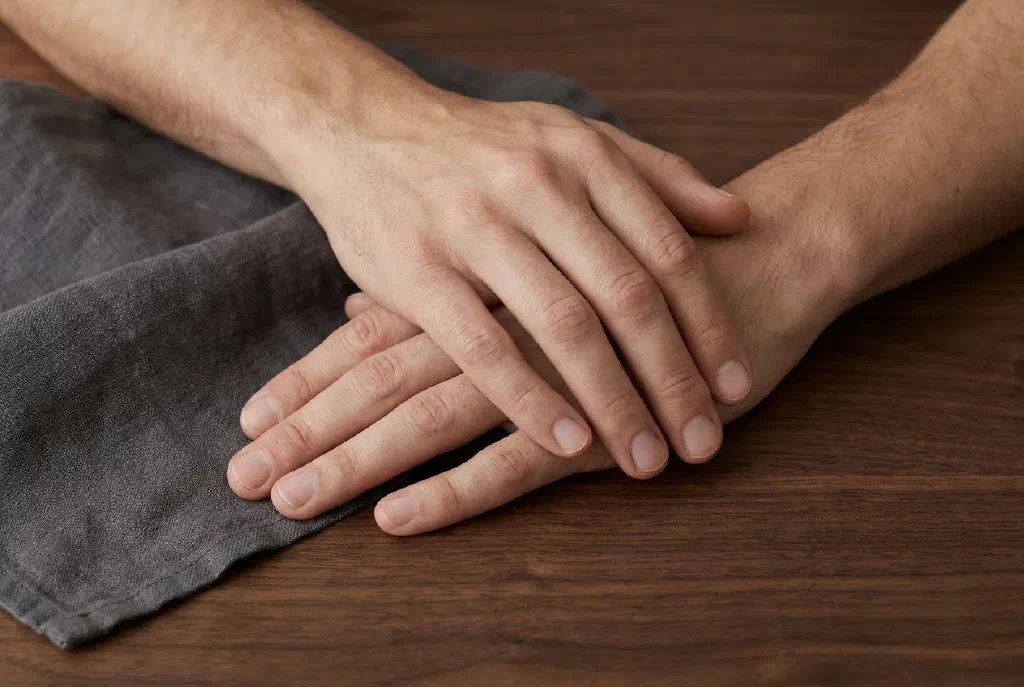
At its core, a men’s manicure is the same care as for women – just without the decorative part. The focus is on function and a natural appearance. The goal is not to “stand out” but to “look groomed without anyone consciously noticing”.
- Trim and shape the nails: Usually short and straight to slightly rounded – robust and unobtrusive. A slightly rounded edge splits less easily than a sharply filed point.
- Care for the cuticles: Push back rather than cut, so the nail edge looks clean and no hangnails form.
- Reduce calluses: Calluses tend to form on fingertips and the ball of the hand with physical work, and over time they crack and become uncomfortable.
- Matte finish: Instead of glossy polish, at most a colourless, matte clear coat or a buffer is used.
- Moisture: Dry, rough hands are the most common men’s issue – a hand cream after every wash does more than any tool.
The basis is important: how to treat the cuticles correctly is explained under Caring for cuticles correctly. Which shape suits strong hands is shown in the overview Nail shapes at a glance – for men, a natural, short rounding is usually the best choice.
The process step by step
A men’s manicure follows a simple order that you can carry out at home just as well as in the salon:
- Soak the hands: Three to five minutes in lukewarm water soften the nails and cuticles.
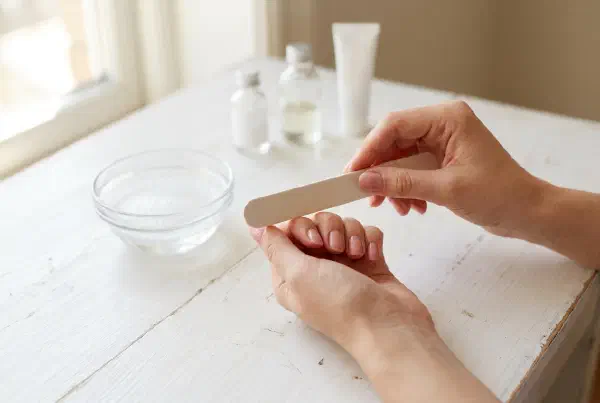
- Trim the nails: Cut straight with clippers or scissors, then smooth the edges with the file.
- Push back the cuticles: Gently push back with a rosewood stick – do not cut.
- Work on the calluses: Carefully remove thickened areas with a fine buffer or pumice stone.
- Matte the surface: Smooth the nail surface with the soft side of the buffer for a natural sheen.
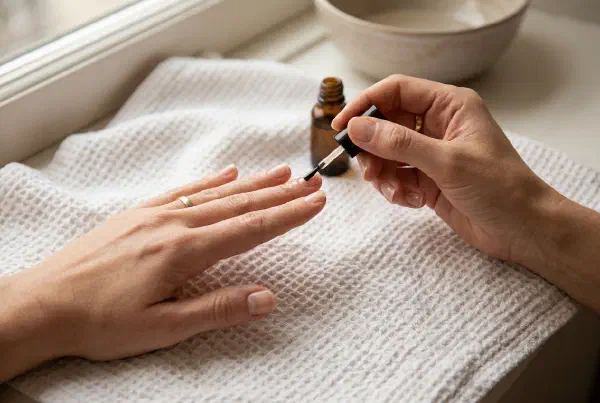
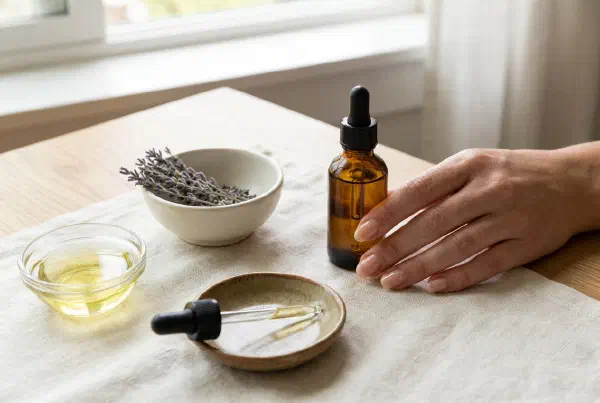
- Moisturise: Massage in a rich hand cream or a nail oil to finish.
The general technique is also shown in the guide Doing a manicure yourself: step by step.
At home or in the salon?
Both have their place – the decision depends on your expectations and the condition of your hands.
At home
For regular basic care, a small set of clippers, file, buffer, rosewood stick and hand cream is enough. This is cheap, quick and perfectly sufficient for most people.
In the salon
A professional manicure is worthwhile for badly neglected nails, ingrown nail corners or stubborn calluses. It also makes sense as a well-groomed start before an important occasion – afterwards the condition is easy to maintain at home.
Typical mistakes – and how to avoid them
Especially those who rarely think about their hands make a few recurring mistakes. These are easy to fix:
- Nails cut too short or too round: Cutting too far into the corners encourages ingrown nails. Better to trim straight and only gently break the corners.
- Cutting away the cuticle: The most common mistake. The skin grows back thicker and more cracked – pushing back is always the better choice.
- Dry filing with a coarse file: A file that is too coarse tears open the nail layers. A medium grit filed in one direction is enough.
- Forgetting cream: Without moisture, even perfectly trimmed nails look rough. Nail oil on the cuticle and cream on the back of the hand belong at the end.
- One-off care only: A single manicure quickly fades. Only regularity – every one to two weeks – makes the visible difference.
Anyone already struggling with splitting nails will find the causes under Brittle nails: what really helps.
The right kit for at home
A good men’s set is compact and lasts for years. You do not need more than these basics:
- Nail clippers or nail scissors: For trimming – a sturdy clipper is usually the easier choice for strong nails.
- Sand or glass file: For smoothing the edges. Glass files are durable and work particularly gently.
- Rosewood stick: For gently pushing back the cuticle.
- Polishing buffer: Mattes the surface and gives a natural, subtle sheen without polish.
- Nail oil and hand cream: The care duo for supple cuticles and hands. Here quality pays off visibly.
A pumice stone or callus file rounds off the set if the palms are heavily used.
Why well-groomed hands pay off
Hands are constantly visible – when shaking hands, in meetings, while eating. Well-groomed, short nails and clean cuticles look tidy and confident, without standing out at all. Anyone with splitting or soft nails will find additional help under Brittle nails: what really helps and Strengthening nails with home remedies.
Frequently asked questions (FAQ)
Do men wear nail polish during a manicure?
No, usually not. A men’s manicure relies on a natural, matte finish. Those who wish can apply a colourless matte coat – but that is not a must and does not stand out as “polished”.
How often should a man have a manicure?
A short basic care session every one to two weeks is enough to keep nails and cuticles in shape. Anyone who works a lot with their hands trims their nails more often accordingly.
Should you cut the cuticles?
Better not. The cuticle protects the nail from germs. After soaking it is only gently pushed back – cutting increases the risk of tears and inflammation.
What helps against calluses on the hands?
Regular gentle removal with a fine buffer or pumice stone after soaking, combined with a rich hand cream. This keeps the skin supple and the calluses form again more slowly.
How much does a manicure for men cost in the salon?
Prices depend heavily on region and scope. A pure care manicure without polish is usually in the lower range, while more elaborate treatments with callus removal or a paraffin bath cost more accordingly. Anyone who cares for their hands regularly at home only rarely needs the salon.
How do I make dry, rough men’s hands supple again?
The key is moisture spread throughout the day: a hand cream after every wash and a richer treatment in the evening. Nail oil additionally keeps the cuticle elastic. For very rough hands, a gentle scrub before moisturising helps the care absorb better.