Aromatherapy Oil Massage: Gentle Touch Combined With Essential Oils
In this article
Note: This article contains affiliate/advertising links. As an Amazon Associate we earn from qualifying purchases. If you click such a link and buy something, we may receive a small commission – at no extra cost to you.
The aromatherapy oil massage brings together two paths to relaxation: the calm, flowing touch of a classic massage and the scent of essential oils. While the hands release tension, the delicate aromas reach you through your breathing and your skin. This combination turns the treatment into an experience for several senses at once and is one of the reasons it is so popular in spas and beauty salons. In this guide you will learn how an aromatherapy oil massage works, which oils are typically used and who this gentle method is suitable for.
What Defines an Aromatherapy Oil Massage
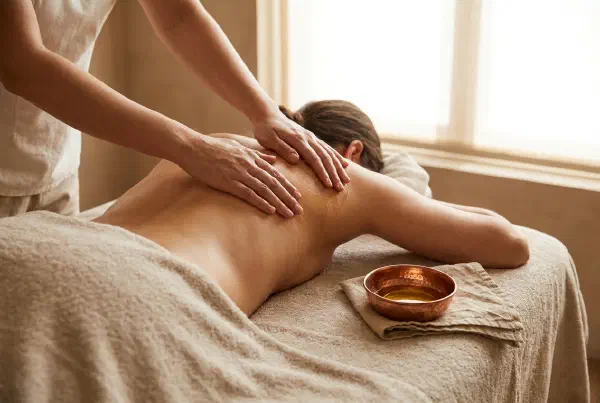
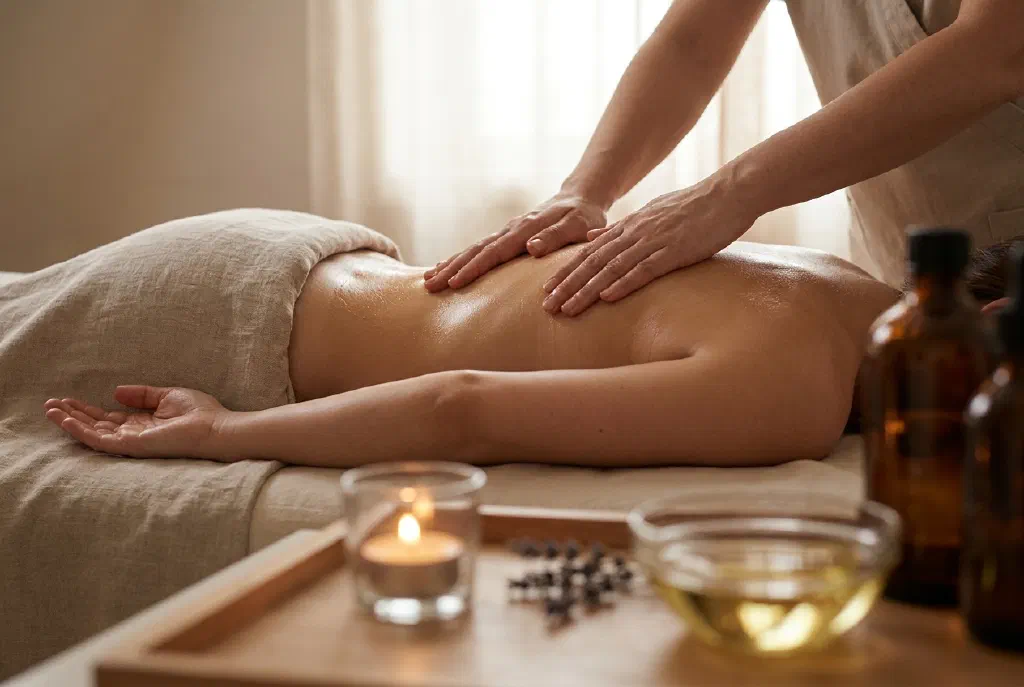
At its heart is a rather calm, even massage technique with long, stroking movements. Unlike a vigorous sports massage, the focus is less on deep pressure work and more on releasing tension through gentle touch. For this, a carrier oil is used – such as almond, jojoba or grapeseed oil – to which a few drops of essential oil are added.
This blend serves two purposes at once: the carrier oil makes the skin supple and ensures that the hands glide well, while the essential oil provides the characteristic scent. It is important that essential oils are never applied neat to the skin, but always heavily diluted. A common concentration is a few drops per tablespoon of carrier oil. If you also like cosy warmth, a hot stone massage with warm stones is an intriguing variation.
How an Aromatherapy Oil Massage Typically Works
Even though every studio has its own routines, an aromatherapy oil massage usually follows a similar pattern:
- Initial consultation: You discuss which areas are to be treated, whether there are any complaints and which scents you find pleasant.
- Choosing a scent: Often you are allowed to smell several oil blends and pick a scent that feels good to you.
- Preparation: The room is warm, quiet and softly lit. The oil is often gently warmed so that it sits pleasantly on the skin.
- Massage: At a calm pace, the back, neck, arms, legs or the whole body are worked with long strokes.
- Resting afterwards: After the treatment there is usually some time to let it sink in before you get up again.
A treatment lasts between 30 and 90 minutes, depending on its scope. Plan some time afterwards in which you do not immediately rush back into a hectic schedule – the relaxing effect often lasts for a while.
Which Essential Oils Are Commonly Used
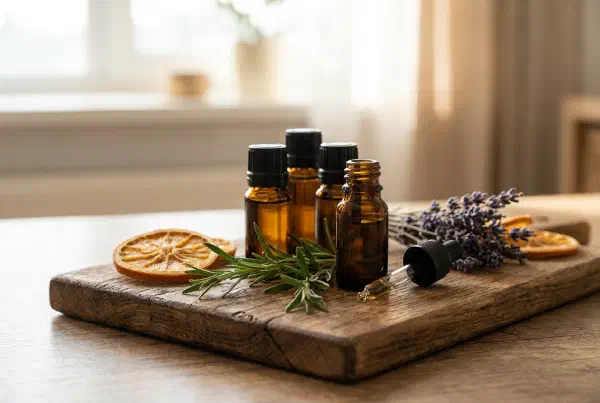
The choice of oil depends on how you feel and your personal taste. These essential oils are among the classics:
- Lavender: Calming and balancing, a frequent companion in the evening.
- Bergamot and orange: Fresh citrus scents considered uplifting and mood-brightening.
- Peppermint: Clear and refreshing, often valued when you feel a sense of heaviness.
- Rosemary: Spicy and invigorating, popular for an alert impression.
- Sandalwood or vetiver: Warm, earthy notes for a feeling of security.
Which scent is perceived as pleasant is highly individual. An oil that one person loves can be unpleasant for another. That is why it is worth taking your time beforehand to smell the options in peace and to trust your gut feeling.
Carrier Oils as a Base
You cannot do without a carrier oil: it dilutes the concentrate while caring for the skin. Sweet almond oil is mild and suitable for many skin types, jojoba oil absorbs pleasantly and grapeseed oil feels rather light. In the case of nut allergies, the carrier oil should be chosen accordingly – this too is a point for the initial consultation.
Who the Treatment Is Suitable For
An aromatherapy oil massage is for anyone who wants to find calm and do something good for themselves. It is especially pleasant after stressful phases, in times of inner restlessness or simply as a conscious break. Anyone who enjoys scents and finds touch soothing is in good hands here.
There are, however, situations in which restraint is appropriate. During pregnancy, with sensitive skin, allergies, asthma or certain pre-existing conditions, some essential oils are not suitable. You should also forgo a massage in the case of acute inflammation, open areas of skin or fever. When in doubt, check in advance with a doctor or a knowledgeable person whether and which oils are right for you. An aromatherapy oil massage does not replace medical treatment – it is a feel-good offering, not a remedy.
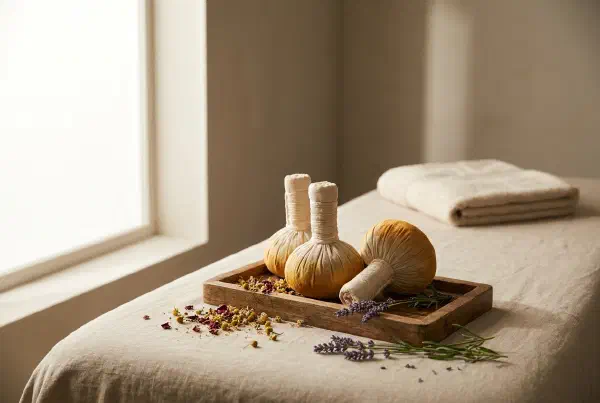
If you would like to delve deeper into the world of oil massages, it is worth taking a look at the Ayurvedic full-body oil massage Abhyanga, which works with warm oil and special stroking movements. For tired, heavy legs, on the other hand, targeted foot massage techniques can be a soothing complement. If you want to pair warm scents with gentle heat, a herbal stamp massage with warm herbs is a fragrant alternative.
Tips for an All-Round Good Experience
To get the most out of the treatment, a few simple things help:
- Don’t come on a full stomach, but not completely on an empty one either.
- Drink plenty of water afterwards and allow yourself some rest.
- Speak up about your wishes – for example regarding pressure, temperature or areas to leave out.
- Let them know if a scent is unpleasant for you, instead of putting up with it.
A good treatment thrives on dialogue. The more your masseuse or masseur knows about your preferences, the better the aromatherapy oil massage can be tailored to you.
Frequently Asked Questions (FAQ)
How does an aromatherapy oil massage differ from a classic massage? With a classic massage the technique is at the forefront, often with stronger pressure. The aromatherapy oil massage works more gently and adds the scent of essential oils to the touch, so that several senses are engaged.
Are essential oils suitable for everyone? No. During pregnancy, with allergies, asthma, sensitive skin or certain pre-existing conditions, some oils are not appropriate. When in doubt, have it clarified in advance by a doctor or specialist which oils are an option for you.
How often can I have an aromatherapy oil massage? As a purely feel-good offering, there is nothing against regular appointments, for example as needed during stressful phases. Listen to how your body feels and allow yourself breaks in between.
Does the scent stay on the skin after the massage? Yes, you usually notice the delicate scent for a while afterwards. If you don’t want that, you can shower later – it is not necessary for the relaxing effect during the treatment.