Alkaline Bath: Effects, Application and Tips for the Tub
In this article
Note: This article contains affiliate/advertising links. As an Amazon Associate we earn from qualifying purchases. If you click such a link and buy something, we may receive a small commission – at no extra cost to you.
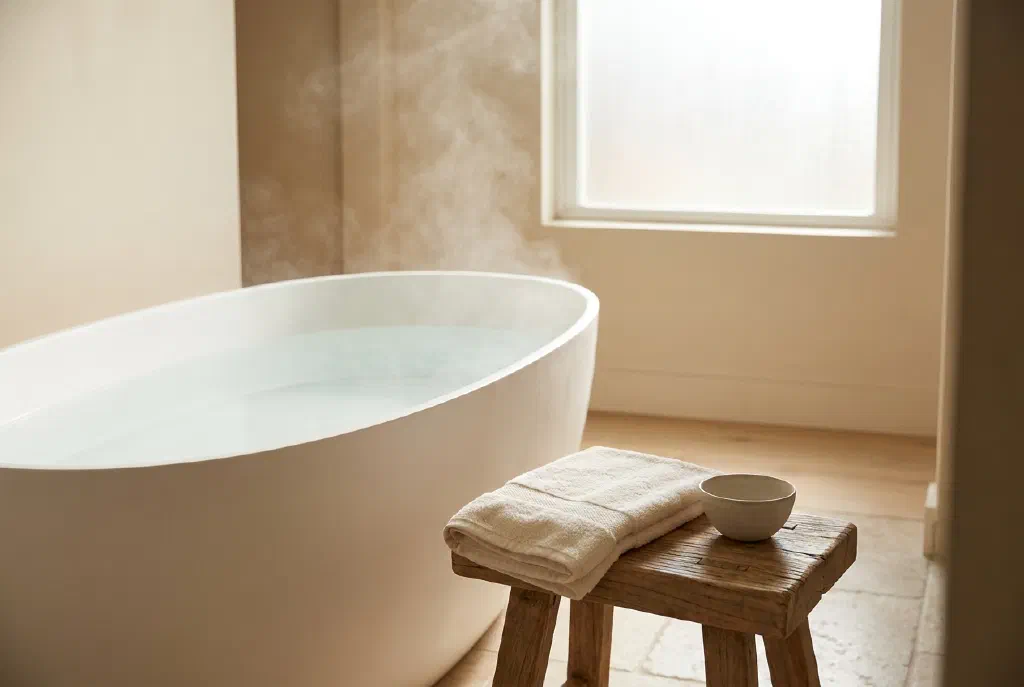
For many people, a long bath is one of the loveliest rituals for winding down after a demanding day. The alkaline bath goes one step further than an ordinary bubble bath: instead of relying on fragrance and foam, it relies on a slightly alkaline pH value of the bath water. The water feels soft and silky, the skin often appears smoother afterwards, and the warm immersion relaxes the muscles and the mind. In this guide you will learn what lies behind the principle, how to use an alkaline bath correctly at home, and what to keep in mind.
What is an alkaline bath?
An alkaline bath is a full bath whose water is set to be alkaline by means of a special additive. The pH value describes whether a liquid is acidic, neutral or alkaline: 7 is considered neutral, values below are acidic and values above are alkaline. Normal tap water is usually close to the neutral range. In an alkaline bath, the pH value is deliberately raised to about 8 to 8.5.
Mineral salts serve as the additive, often based on baking soda (sodium bicarbonate) and other carbonates. These dissolve in the warm water and create the characteristically soft, almost velvety feeling on the skin. Unlike a classic bubble bath with surfactants and fragrances, an alkaline bath deliberately does without strongly cleansing or foaming ingredients.
How does an alkaline bath work?
The demonstrable effects of an alkaline bath relate above all to the skin and to general well-being. The slightly alkaline water makes the uppermost layer of skin swell a little and dissolves sebum and dead skin more gently than a neutral bath does. Many people find their skin feels suppler and better cared for after the bath.
In addition, there is the effect that every warm full bath brings with it:
- The warmth relaxes tense muscles and promotes circulation.
- Lying still for a long time has a calming effect on the nervous system.
- The buoyancy in the water relieves the body of weight and eases the joints.
Far-reaching promises circulate around alkaline baths, for example that they “deacidify” the body or flush out harmful substances – much like some detox programmes and what they really do. Such claims are not scientifically proven. The body regulates its acid-base balance very precisely via the lungs and kidneys – a bath does not change anything about that. So regard the alkaline bath as a soothing care and relaxation ritual, not as a medical treatment. If you are unsure because of skin problems or complaints, you should clarify this with a doctor when in doubt.
How to use an alkaline bath correctly
The application is uncomplicated. With a few simple steps you get the most out of your bath.
Water temperature and duration
Ideal is a water temperature of around 37 degrees, that is roughly body temperature. This way the bath feels pleasant for a particularly long time, and the circulation is not overly strained. An alkaline bath may well last longer than a normal bath: 30 to 60 minutes are common. Top up with a little warm water in between if needed, so that the temperature does not drop too much.
Dosage and pH value
When it comes to the amount of bath additive, follow the instructions on the packaging. If you want to know exactly, you can check the pH value with test strips from the pharmacy – a value between 8 and 8.5 is a good guideline. If it is higher, the water can irritate the skin.
Frequency
One or two alkaline baths per week is a good rhythm. Because the alkaline water makes the skin swell slightly, bathing too often can strain the skin’s natural acid mantle. Listen to your skin: if it feels dry, take longer breaks.
Preparation and aftercare
A few simple steps make the ritual more rounded:
- Create a calm atmosphere with dimmed light and silence or quiet music.
- Have a glass of water ready, as the warmth stimulates sweating.
- After the bath, simply pat yourself dry instead of rubbing yourself vigorously.
- Afterwards, apply a rich, replenishing cream or lotion to care for the skin.
Who is an alkaline bath suitable for?
In principle, an alkaline bath is well tolerated by most people and a lovely way to bring wellness home. People with dry or blemish-prone skin often find it particularly pleasant, appreciating the soft water and the thorough yet gentle cleansing feeling.
Caution is advised if you suffer from circulatory problems, low blood pressure or cardiovascular disease – long, warm full baths put a strain on the circulation. During pregnancy, too, the rule is: better to bathe a little shorter and not too hot. In the case of open wounds, pronounced skin conditions or uncertainties, it is worth talking to medical professionals beforehand.
The alkaline bath compared with other wellness rituals
The alkaline bath is just one of many ways to relax at home or in the spa. If the weightless feeling in the water particularly appeals to you, floating in a float tank might also be something for you – there a high salt concentration provides almost complete buoyancy. If, on the other hand, you prefer cozy warmth to water, it is worth taking a look at the comparison between infrared cabin and sauna. Ultimately, these treatments complement each other well: sometimes the skin is the focus, sometimes the warmth and sometimes pure relaxation.
Frequently Asked Questions (FAQ)
How long should an alkaline bath last?
An alkaline bath may last longer than a normal full bath; 30 to 60 minutes are common. Make sure the water stays pleasantly warm, and get out of the tub slowly, since the circulation is relieved by the warmth.
Which pH value is right for an alkaline bath?
A pH value between 8 and 8.5 is considered a good guideline for an alkaline bath. You can check it with test strips from the pharmacy. If the value is significantly higher, the water can irritate the skin, in which case you should use less additive.
Does an alkaline bath really deacidify the body?
No, there is no scientific evidence for that. The body regulates its acid-base balance itself via the lungs and kidneys. An alkaline bath primarily affects the skin and provides relaxation, but it is not a medical “detox”.
How often can I take an alkaline bath?
One or two baths per week is a good rhythm. Because the alkaline water makes the skin swell, bathing too often can strain the acid mantle. Care for your skin afterwards with a replenishing cream and take breaks if it becomes dry.