Hair loss in women: causes and what helps
In this article
Note: This article contains affiliate/advertising links. As an Amazon Associate we earn from qualifying purchases. If you click such a link and buy something, we may receive a small commission – at no extra cost to you.
More hairs in the brush, a thinner parting, finer lengths: hair loss in women is more common than many people think, and it is often a source of worry. The good news first: a certain amount of daily hair loss is completely normal, and many causes can be identified and influenced. This guide explains in plain terms what is normal and what becomes noticeable, which typical triggers play a role in women and what can help. It does not replace medical advice – with heavier or sudden hair loss, the cause belongs in expert hands.
What is normal and what becomes noticeable
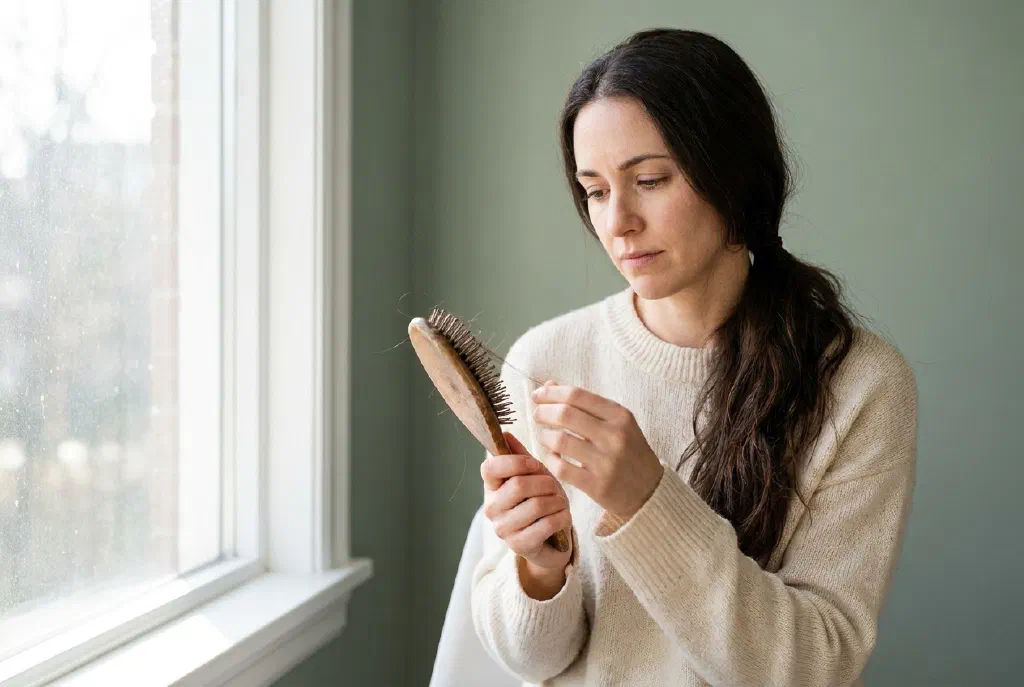
Hair grows in cycles. Each individual hair goes through a growth phase, a transition phase and a resting phase, at the end of which it falls out and makes room for a new hair. Losing up to about 100 hairs a day in the process is entirely normal – when washing, combing or simply going about your day. Seasonal fluctuations, for example in autumn, also occur and are usually harmless.
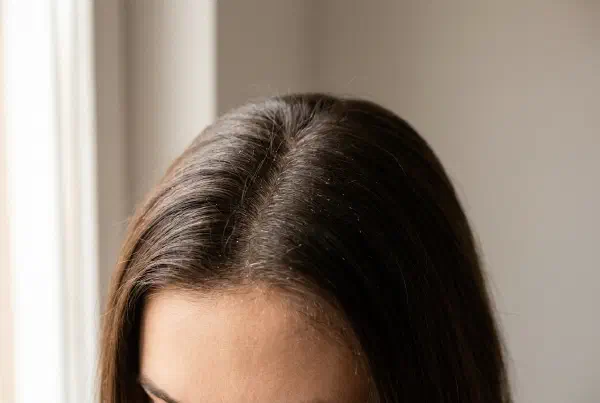
It becomes noticeable when significantly more hair comes out, when the parting visibly widens, when hair density noticeably decreases or when individual bald patches appear. Sudden, clumpy loss is also a signal you should take seriously. A simple guideline: if you notice an unusual amount of hair over several weeks, or if the topic worries you, a visit to your family doctor or a dermatology practice is worthwhile.
Common causes in women
In women, several factors often work together. The following triggers are particularly common:
- Hormonal shifts: After pregnancy, many women temporarily lose more hair, because the oestrogen level that drops after birth sends many hairs into the resting phase at the same time. Similar shifts occur during menopause or when stopping or switching the contraceptive pill.
- Iron and nutrient deficiency: A lack of iron, but also of zinc, vitamin D or certain B vitamins, can impair hair growth. Women with heavy periods in particular are more often affected by iron deficiency.
- Thyroid: Both an overactive and an underactive thyroid can affect the hair. Often there are additional symptoms such as fatigue, weight changes or feeling cold.
- Stress and strain: Ongoing physical or emotional stress, a serious illness or an operation can push more hairs into the resting phase. The loss then often shows up only weeks later.
- Crash diets: Very one-sided or severely calorie-restricted eating deprives the body of building blocks it also needs for healthy hair. Before turning to strict regimens, it helps to take a sober look at what detox programmes really do.
- Hereditary predisposition: Women can be affected by hereditary hair loss too. It usually shows as slow thinning in the parting area, without bald spots forming.
This list is not a diagnosis. Which cause applies in an individual case can often only be clarified through a consultation and, if needed, a blood test.
What can help
As varied as the triggers are, so is the way forward. These building blocks make sense – without any promise of a cure, because the cause is what counts:
- Have the cause assessed: The most important step. A medical assessment can, for example, look at iron levels or the thyroid. If a specific cause is found and treated, the hair often recovers on its own.
- Eat a balanced diet: A varied diet with enough protein, iron, zinc and vitamins supports hair growth from the inside. Supplements only make sense with a proven deficiency and belong in consultation with a doctor.
- Care for the scalp gently: A healthy scalp is the basis for healthy hair. Don’t irritate it unnecessarily – mild, low-sulphate products and a pleasant water temperature are kinder than aggressive cleansing. How to loosen build-up gently is described in the article how to use a scalp scrub correctly.
- Encourage circulation and relaxation: A gentle scalp massage to release tension feels good and can lower your stress level – a pleasant building block, especially when strain is involved. A professional version is presented in the article head spa: process and effects.
- Treat hair gently: Tight hairstyles, hot blow-drying, frequent straightening and aggressive brushing put extra strain on the hair. Loose hairstyles, a soft towel for blotting and a wide-toothed brush are gentler.
- Be patient: Hair grows slowly, often only about one centimetre a month. Even when the cause has been fixed, visible recovery takes weeks to months. This patience is normal and is not a sign that nothing is working.
When the scalp is also affected
Sometimes hair loss goes hand in hand with scalp complaints – itching, flaking or a feeling of tightness. These symptoms often have their own causes and should be considered separately. Tips for soothing an irritated scalp can be found in the article itchy scalp: causes and care. If flaking is the main issue, the article how to get rid of dandruff goes further. Important: an irritated scalp is not automatically the cause of the hair loss, but it can accompany it. Here too, persistent or severe complaints should be checked by a doctor.
When to seek medical advice
With the following signs, a medical or dermatological assessment is clearly advisable – don’t wait too long:
- Sudden, heavy hair loss or hair coming out in clumps.
- Bald, circular patches or clearly defined thinning areas.
- Hair loss with other symptoms such as fatigue, weight change, skin changes or cycle problems.
- Persistent loss over months that does not improve on its own.
- Strong distress that weighs on you emotionally – that too is a good reason to seek advice.
A dermatology practice can examine the scalp specifically, assess the state of the hair and discuss the next steps with you. The sooner the cause is narrowed down, the better you can counteract it.
Frequently asked questions (FAQ)
How much hair loss is normal in women?
Losing up to around 100 hairs a day is part of the natural hair cycle. Only when significantly more comes out, the parting widens or bald patches appear do we speak of noticeable hair loss that should be assessed.
Why do I lose so much hair after pregnancy?
After birth, the oestrogen level drops, which during pregnancy had kept many hairs in the growth phase. As a result, more hairs now enter the resting phase at the same time and fall out. This effect is usually temporary and often resolves after a few months. If it persists, a medical assessment is worthwhile.
Does a scalp massage help against hair loss?
A scalp massage can encourage circulation, relax the scalp and lower stress – which feels good. However, it is not a reliable remedy for the actual cause of hair loss. It is a pleasant building block, but it does not replace getting the cause assessed.
Can supplements stop hair loss?
Only if there is actually a proven deficiency, for example of iron. In that case, taking them belongs in consultation with a doctor. With a balanced diet and no deficiency, additional products usually offer no benefit and can even be harmful in high doses.
How long does it take for hair to grow back?
Hair grows slowly, on average about one centimetre a month. Even when the cause has been fixed, it often takes several weeks to months before hair density visibly recovers. Patience is therefore part of the process.
Does this article replace a visit to the doctor?
No. The information is for general guidance and does not replace medical advice. With heavier, sudden or persistent hair loss, you should seek medical or dermatological advice.