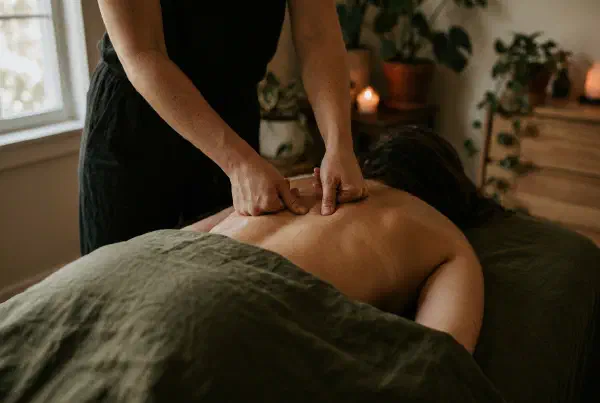
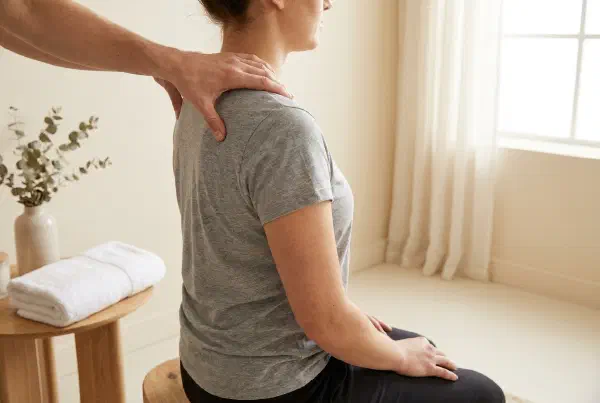
Therapeutic Massage: Harnessing Medical Benefits with Purpose
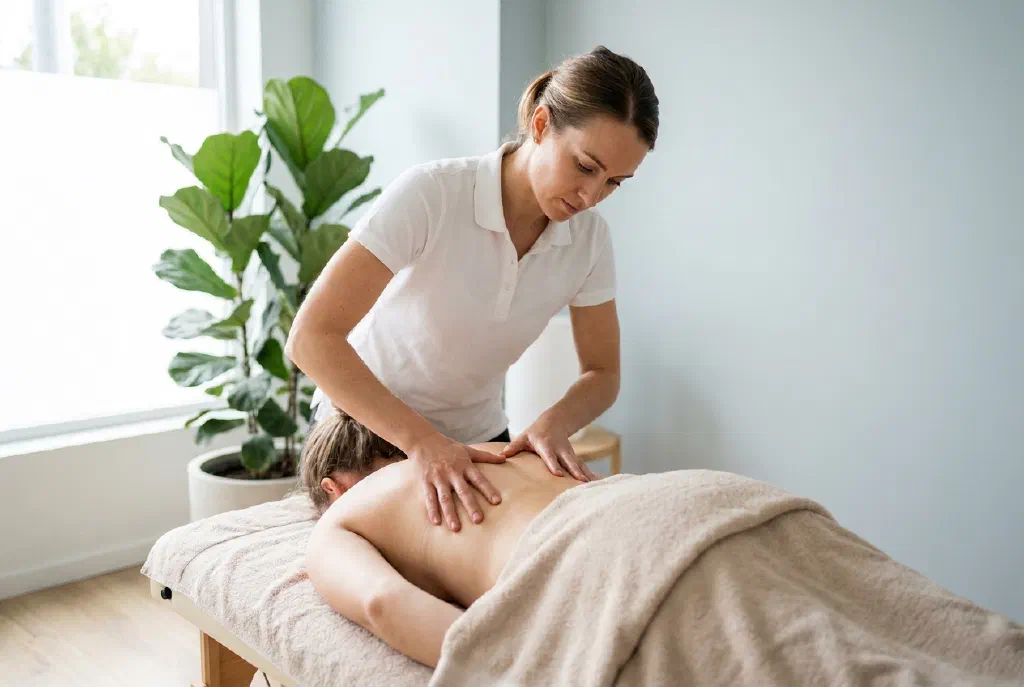
In this article
Note: This article contains affiliate/advertising links. As an Amazon Associate we earn from qualifying purchases. If you click such a link and buy something, we may receive a small commission – at no extra cost to you.
A soothing massage at a wellness hotel and a targeted treatment from a therapist may feel similar at first glance, yet they pursue very different goals. While the former is mainly meant to relax you, therapeutic massage addresses specific physical complaints. It draws on medical knowledge of muscles, fascia and nerve pathways to relieve pain and restore function. In this guide you will learn what defines therapeutic massage, which complaints it makes sense for and what to keep in mind during the treatment.
Therapeutic Massage vs. Wellness Massage
The most important difference lies in the reason for it and in the approach. A wellness massage serves your general well-being: it is meant to relax you, reduce stress and give you a pleasant break. The techniques are usually broad, even and geared toward a good feeling.
Therapeutic massage, by contrast, responds to a specific problem. The treatment usually begins with an assessment: where exactly does the pain sit, which movements are restricted, how long have the complaints been present? Based on this, the specialist selects targeted techniques and often works on individual muscle groups, fascia or trigger points in a focused way.
A few typical features that distinguish a therapeutic massage from a purely feel-good treatment:
- Assessment-based: it specifically addresses a diagnosis or a set of symptoms.
- Professional qualification: usually carried out by physiotherapists, medical masseurs or comparably trained staff.
- Measured pressure: the pressure is adapted to the tissue and the pain threshold, not just to comfort.
- Treatment plan: several sessions are often part of a larger therapeutic goal.
Which Complaints It Can Help With
Therapeutic massages are used for a whole range of complaints. They do not replace medical treatment but can usefully complement it.
Muscular Tension and Pain
The most common reason is tension in the neck, shoulder and back area, often the result of poor posture, stress or one-sided strain at the workplace. Targeted pressure and kneading can boost circulation, loosen tense tissue and normalise muscle tone.
Trigger Points and Adhesions
So-called trigger points are localised, painful hardenings in the muscles that often radiate into other regions of the body. With targeted pressure on these points, therapeutic massage works in a similar way to acupressure, in which certain pressure points are stimulated. Stuck fascia can also be treated with special manual techniques.
Rehabilitation and Scar Treatment
After injuries, operations or longer periods of rest, massage supports the restoration of mobility. Scar tissue can become more supple through gentle mobilisation, and the muscles can be reactivated after a period of rest. Here, close coordination with the treating physician or physiotherapist is especially important.
Further Areas of Application
- Headaches and migraines with a muscular component
- Complaints caused by stress and chronic tension
- Support with lymphatic drainage disorders (as manual lymphatic drainage)
- Accompanying treatment for chronic pain syndromes
Which Techniques Are Used?
Therapeutic massage is not a single procedure but a toolkit of different techniques. Which ones are used depends on the assessment:
- Classic massage: stroking, kneading and friction to loosen the muscles.
- Trigger point therapy: targeted pressure on painful hardenings.
- Fascia techniques: broad-surface manipulations to treat connective tissue.
- Manual lymphatic drainage: gentle, rhythmic movements to promote lymphatic flow.
- Cross-friction: applied across the direction of the fibres at tendon attachments.
Some therapists combine the massage with other procedures of manual or holistic medicine. It can, for example, be combined with heat applications or with acupuncture, whose effects and procedure follow their own principles.
How a Treatment Works
A therapeutic session usually begins with a short conversation and a palpation examination. The specialist forms a picture of the complaints, mobility and painful areas. This is followed by the actual treatment, which can last between 20 and 45 minutes depending on the region.
Communication during the massage is important: give feedback if the pressure becomes too strong or a pain radiates in an unfamiliar way. A mild, easily tolerable treatment pain can be normal, but sharp or stabbing pain is not.
After the treatment, the muscles may temporarily feel tired or slightly tender to the touch, similar to how they feel after exercise. Drink plenty of fluids, give your body rest and observe how it responds.
What You Should Keep in Mind
So that the massage helps rather than harms, you should keep a few points in mind:
- Check qualifications: have yourself treated by trained professionals, especially for complaints with a medical background.
- Clarify the diagnosis: with persistent or unclear pain, the rule is to have it medically assessed first before massaging, if in doubt.
- Observe contraindications: caution is advised with acute inflammation, thrombosis, fever, fresh injuries or certain conditions.
- Keep expectations realistic: a massage can relieve and support, but it does not replace necessary medical therapy.
If complaints persist despite treatment, worsen or new symptoms appear, seeing a doctor is the right step. Therapeutic massage unfolds its value above all as part of a well-thought-out overall concept.
Frequently Asked Questions (FAQ)
What is the difference between therapeutic massage and wellness massage?
Wellness massage serves relaxation and general well-being, while therapeutic massage specifically addresses concrete complaints. It is based on a prior assessment and uses specific techniques for pain relief and improved function.
For which complaints does a therapeutic massage make sense?
Common reasons include muscular tension in the neck and back area, trigger points, fascia adhesions, complaints during rehabilitation as well as stress-related tension. With unclear or persistent pain, you should have the cause medically assessed beforehand.
Does a therapeutic massage hurt?
A mild, easily tolerable treatment pressure can be normal, for example when releasing hardenings. Sharp or stabbing pain, however, is a warning sign. Always let the person treating you know if the pressure becomes too strong.
How often should you have a therapeutic massage?
That depends on the symptoms and the treatment goal. Some problems improve after a few sessions, while chronic complaints often require longer support. You can best determine the right rhythm together with your specialist.