Thermal Spa Hotel: What to Expect on a Thermal Spa Holiday
In this article
Note: This article contains affiliate/advertising links. As an Amazon Associate we earn from qualifying purchases. If you click such a link and buy something, we may receive a small commission – at no extra cost to you.
A thermal spa hotel combines a classic hotel stay with direct access to a thermal bath or its own bathing and sauna area. Instead of travelling there, buying day tickets and packing a backpack, you step out of your room in the morning in your bathrobe and are in the warm water within minutes. If you have never stayed in a place like this, you are probably wondering what daily life there looks like, what is included and what you should pay attention to when booking. This guide walks you through the facilities, the daily routine and the most important practical tips.
What defines a thermal spa hotel
The decisive difference compared with a normal wellness hotel lies in the thermal water. Genuine thermal baths feed their pools from natural, often mineral-rich springs with temperatures that typically range from pleasantly warm to really hot. Some places advertise sulphurous, brine or carbonated water. The exact composition is usually shown on a board at the pool’s edge.
A well-equipped thermal spa hotel generally offers:
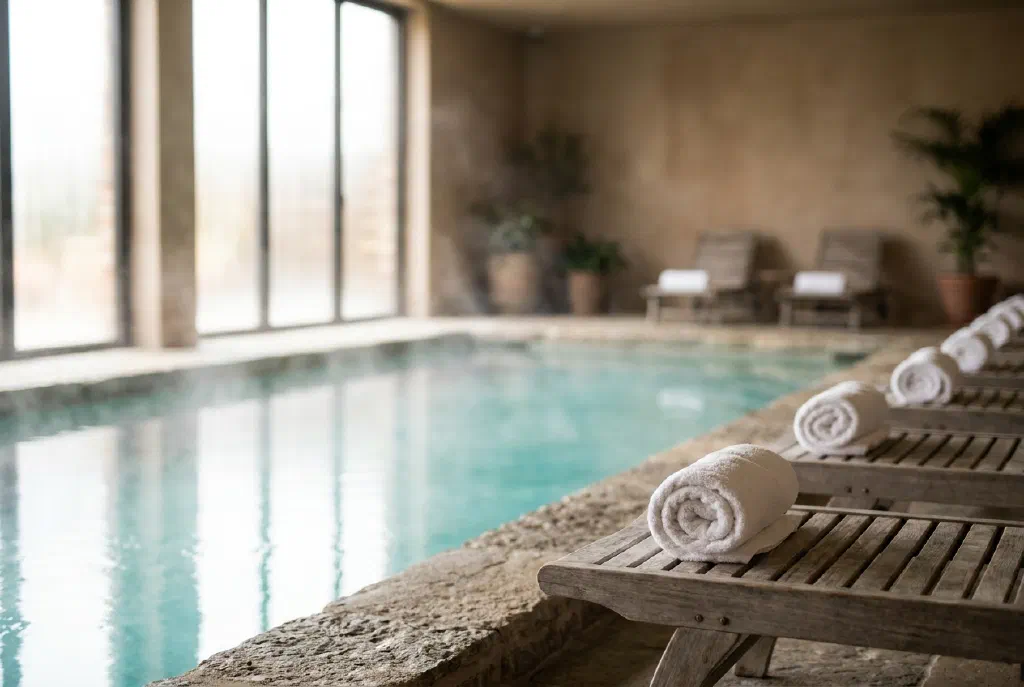
- several indoor and outdoor pools at different temperatures
- a sauna area with a Finnish sauna, bio sauna and steam bath
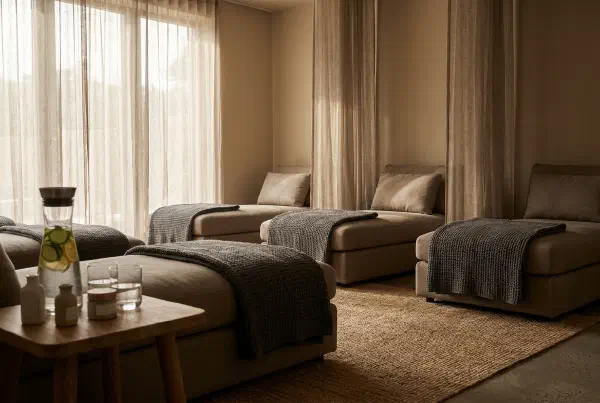
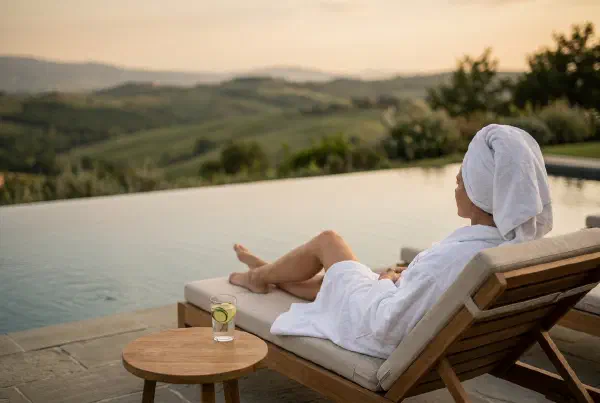
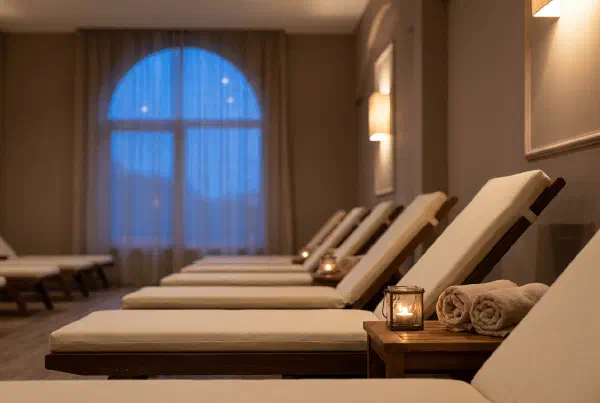
- relaxation areas with loungers, often with a view of the greenery
- bubble loungers, massage jets or a current channel
- an area for treatments such as massages and baths
Larger resorts add family areas with slides, separate quiet zones for adults only, or premium spa worlds for an extra charge. Before booking, clarify which areas are included in the room price and what costs extra.
What your stay typically looks like
Arrival and check-in
When you check in, you are often handed a wellness set: a bathrobe, a bath towel and sometimes slippers. Ask whether you will find the bathrobe directly in your room or pick it up at reception. Many places give you a chip card or a wristband with which you open lockers and pay cashless for food and drinks in the bathrobe area.
The daily routine
A day at the thermal baths has its own rhythm. In the morning after breakfast the pools are often quietest, because many guests are still at the buffet. The afternoon is the busy time, especially at weekends and in bad weather. If you prefer it relaxed, plan your longer bathing sessions for the early morning or the late evening. Rest breaks are part of the experience between baths: after a hot pool or a sauna session you should cool down, drink something and lie down before starting the next round.
Eating and drinking
Most thermal spa hotels work with half board. This means a generous breakfast buffet and, in the evening, a multi-course menu or buffet. During the day you can usually order snacks, juice or tea in the bathing area in your bathrobe. Drink enough water throughout the day, because the heat and sweating draw fluid from your body.
Understanding sauna culture properly
Clear, often unwritten rules apply in the sauna. In most German-speaking sauna areas people sauna without clothing, that is without swimwear, but always on a towel placed underneath. No sweat should reach the wood on the seating surface. During an Aufguss (infusion) it is best to stay seated and not leave the cabin in the middle.
If you are unsure about the etiquette, our spa etiquette in the hotel guide helps you with the most important rules of conduct. A few principles for a sauna session:
- shower and dry off well before sauna bathing
- place a towel under your whole body, including under your feet
- speak quietly or stay silent, the room is meant for rest
- cool down slowly after sweating, fresh air first, then cold water
- take rest breaks of about fifteen minutes between sessions
The heat puts a strain on circulation and the heart. If you have pre-existing conditions, are pregnant or are unsure whether sauna and hot thermal baths are suitable for you, get medical advice if in doubt.
Who a thermal spa hotel suits
Thermal spa hotels suit very different types of travellers. Couples appreciate the mix of calm, romance and shared hours in the water. If you are planning a getaway for two, our guide to the wellness hotel for couples offers concrete suggestions for shaping it.
Families choose places with adventure pools and slides, but make sure there are separate quiet zones. Anyone seeking pure relaxation deliberately books an adults-only place or travels outside the holiday periods. If you are travelling with a four-legged friend, our guide to the wellness hotel with dog helps you find a pet-friendly property. Thermal spa hotels are also ideal for a long weekend without a long journey, because you do not need day trips to relax. If you do not want to stay overnight at all but only enjoy the thermal world for a day, a day spa without an overnight stay is the more straightforward option.
What to look out for when booking
- Inclusive services: Are the bathrobe, sauna access and treatments included or do they cost extra?
- Opening hours: Until when is the bathing area open in the evening, are there closing days?
- Location of the pools: Is the thermal bath directly in the building or do you have to go outside?
- Target group: Family-oriented, quiet or mixed?
Frequently asked questions (FAQ)
Do I have to bring my own towels to the thermal spa hotel? Usually not. Most places provide a bathrobe and bath towels at check-in or in your room. Check the service description of your booking, as some cheaper rates charge extra for hire.
Can I walk around the hotel in my bathrobe all day? In the wellness and bathing area the bathrobe is the usual attire. For the restaurant in the evening, normal clothing usually applies, since dining rooms in many places may not be entered in a bathrobe. The exact rules are stated in the hotel information or at reception.
How long should I plan for a thermal spa holiday? Even two to three nights are enough to switch off and enjoy several bathing sessions in peace. With just one overnight stay, arrival and departure leave little time for the bathing area.
Is a hot thermal bath suitable for everyone? Most people tolerate warm baths well, but heat strains the circulation. With cardiovascular complaints, during pregnancy or if you are unsure, you should get medical advice if in doubt and keep your bathing times shorter.